Classic Gray Wooden Play Kitchen Set With Realistic Play
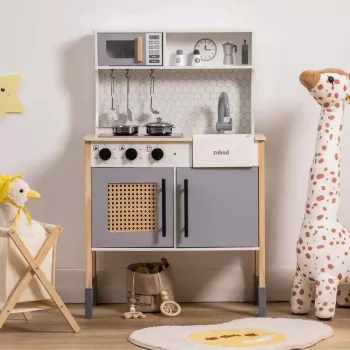
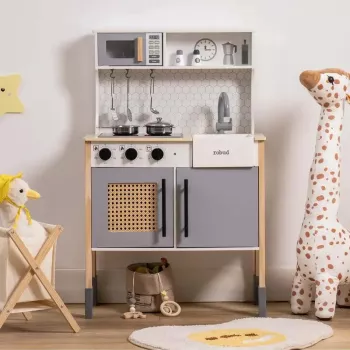
Classic Gray Wooden Play Kitchen Set for Kids with Realistic Features
A wooden play kitchen can turn everyday pretend cooking into open-ended play that supports language, social skills, and fine-motor practice. This classic gray set focuses on realistic details and a durable wood build, making it a strong option for playrooms, bedrooms, and shared family spaces where you want toys to feel both fun and “at home” with your décor. For more guidance, see 8 Best Wooden Play Kitchen Sets For Toddlers and Kids ….
What Makes a Play Kitchen Feel Real to Kids
The most engaging pretend kitchens are the ones that let kids “do” the things they see adults do every day. When a child can turn controls, open doors, and move parts again and again, they’re more likely to stay in the story they’re creating—whether they’re cooking for stuffed animals or running a busy restaurant.
- Interactive elements that mimic real routines (turning knobs, opening doors, moving parts) encourage longer, more imaginative play sessions.
- Clear zones for tasks—cooking, washing, storing—help children create storylines and practice sequencing.
- Realistic accessories and sounds (when included) can boost engagement, but the most important factor is how many actions kids can perform repeatedly.
- A neutral, furniture-like finish (such as classic gray) blends into common rooms and is easier to keep looking tidy.
Research-backed play guidance also points to pretend play as a meaningful way kids practice communication and self-regulation. For a helpful overview, see the American Academy of Pediatrics on the power of play.
Highlights of the Classic Gray Wooden Kitchen Set
This style of wooden kitchen is built around repeatable, satisfying actions—open, close, turn, store, serve—so kids can replay familiar routines and add new twists each time. A classic gray finish also keeps the look calm and cohesive, especially in shared spaces.
- Wooden construction designed for daily use and repeated opening/closing and turning motions.
- Realistic features that support familiar kitchen role-play like cooking, washing, and putting items away.
- Classic gray look that pairs well with a wide range of playroom décor and other wooden toys.
- Giftable, all-in-one setup that works for solo play or sibling/co-op play.
Realistic features and what they help kids practice
| Feature type | What kids do | Skills supported |
|---|---|---|
| Turning controls (knobs/buttons) | Pretend to set heat or start cooking | Fine-motor control, cause-and-effect, pretend sequencing |
| Open/close storage and appliance doors | Store play food, retrieve items, tidy up | Hand strength, organization habits, role routines |
| Sink-style play area | Wash dishes or ingredients | Imitation of daily living, cooperative play, vocabulary building |
| Countertop work zone | Prep meals and serve to others | Storytelling, social skills, sharing and turn-taking |
If you’re ready to add a long-lasting pretend-play centerpiece, view the Classic Gray Wooden Play Kitchen Set for Kids (in stock) at $56.51.
Learning Benefits for Different Ages
Pretend kitchens grow with kids because the play can stay simple (turn, open, close) or become complex (planning a menu, assigning roles, negotiating turns). Developmental checklists can be a useful reference point—especially in the toddler and preschool years. The CDC’s milestone hub is a solid, parent-friendly resource: Important Milestones.
- Toddlers (around 2–3): simple actions like turning knobs and opening doors build hand strength and coordination; pretend “serve and share” supports early language.
- Preschoolers (around 3–5): longer role-play scenes develop conversation skills, emotional understanding, and collaboration with siblings or friends.
- Early elementary (around 5+): more complex scenarios (restaurant, grocery delivery, cooking show) encourage planning, negotiation, and creativity.
- For mixed-age play: older kids often lead storylines while younger kids repeat actions—both get meaningful practice in social roles.
One of the best signs a play kitchen is “working” is when kids narrate what they’re doing—explaining steps, assigning jobs, and improvising solutions when the pretend oven is “too hot” or the customer “wants pancakes instead.”
Where This Kitchen Fits Best at Home
Placement can make a big difference in how often a kitchen gets used. When it’s easy to access—and easy to reset—it becomes a natural choice during independent play blocks and family downtime.
Safety, Materials, and Care
Ideas to Extend Pretend Play
For more on why play supports learning and development, the National Association for the Education of Young Children offers a helpful overview: Play and Learning.
Product Details and Availability
- Product: Classic Gray Wooden Play Kitchen Set for Kids – Pretend Play Kitchen with Realistic Features
- Price: $56.51 (USD)
- Availability: In stock
- Great for: gifting occasions where a long-lasting, reusable play setup is preferred over single-use toys
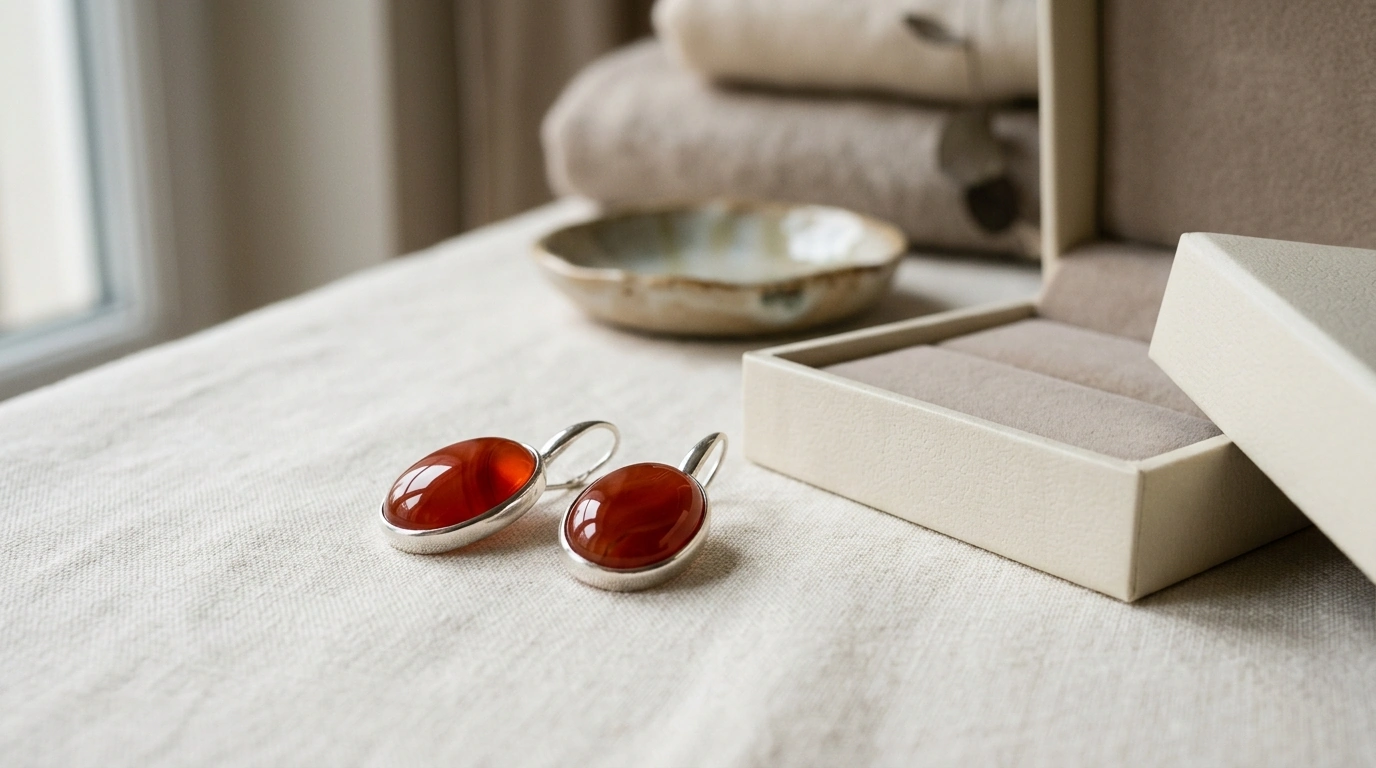
If you’re building a gift bundle, small keepsakes for grown-ups can round out the occasion. Two in-stock options include 18K Gold Custom Alphabet Initial Necklace and Square Moissanite Diamond Stud Earrings.
FAQ
What age is a wooden play kitchen best for?
Most wooden play kitchens work well from about age 2 through early elementary years, since the play can be simple or highly imaginative. For younger toddlers, adult supervision is important, and it helps to choose larger accessories that aren’t easy to mouth or swallow.
How do realistic features help pretend play?
Features like turning knobs, opening doors, and a sink-style area let kids imitate real routines, which keeps them engaged longer. Those repeatable actions also encourage language (naming foods and steps) and support cooperative role-play when siblings or friends share roles.
How can a play kitchen be kept tidy in a small space?
Use a small rotation of accessories, keep the rest in a labeled bin or closet, and limit duplicates (for example, a few utensils instead of a full drawer). Making “store and reset” the last step of play helps cleanup feel like part of the game.









Leave a comment