7-Day Guided Meditation Audio Course for Anxiety Relief
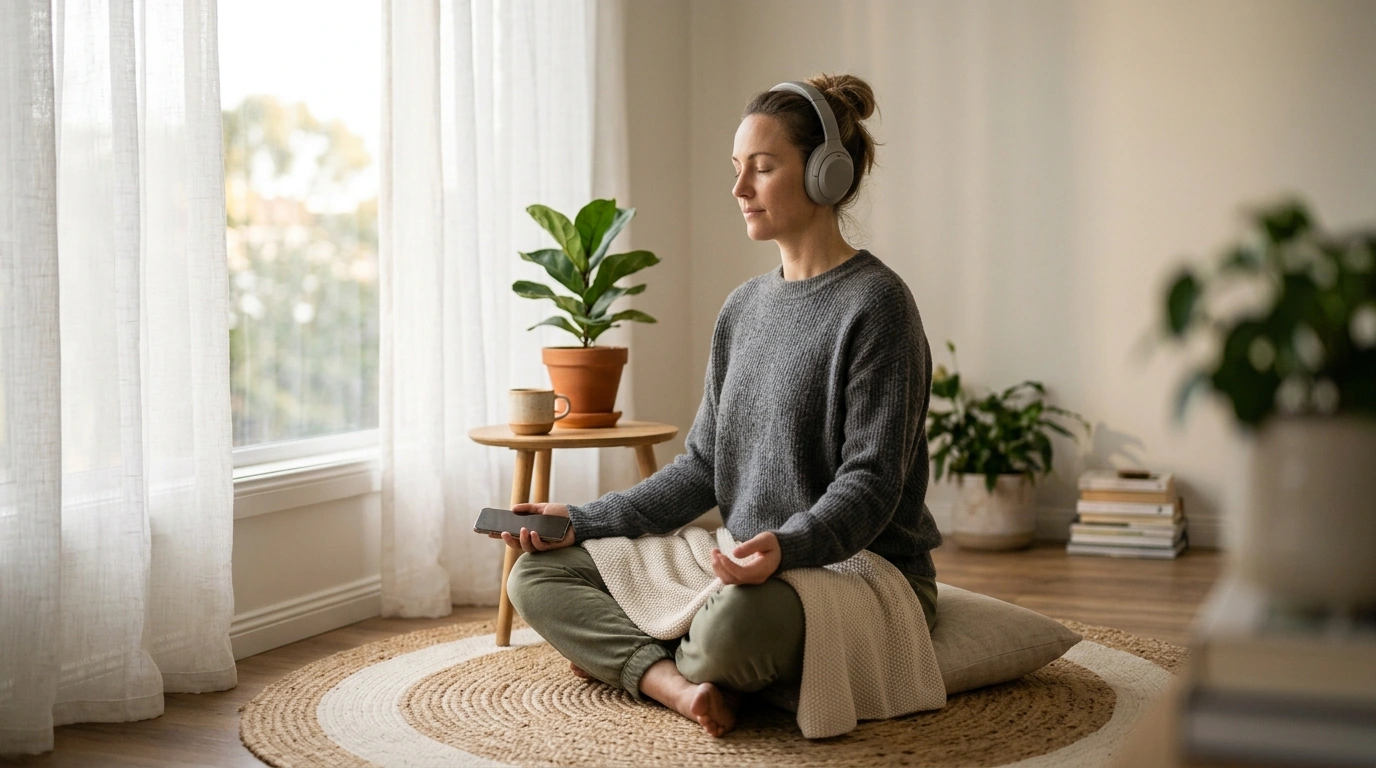
Calm Your Mind: A Guided Meditation Audio Course for Anxiety Relief
An anxious mind often runs on habits: tension in the body, looping thoughts, and a nervous system stuck on high alert. A guided meditation series can help interrupt that cycle with short, repeatable practices that train attention, relax the body, and build a steadier response to stress over time. This guide explains what to expect from a guided audio course, how to use it day to day, and how to get the most calming benefit without adding pressure to “do it perfectly.”
What a guided meditation series can do for an anxious mind
When anxiety is loud, “just relax” can feel impossible. A guided meditation series helps by offering structure and gentle repetition—two things an overwhelmed mind can borrow until it regains footing.
- Creates structure when motivation and focus feel scattered
- Uses voice cues to reduce mental effort and decision fatigue
- Encourages a calmer breathing rhythm that supports relaxation
- Builds consistency through repeat sessions and familiar prompts
- Helps separate from intrusive thoughts by returning to a steady anchor (breath, body, sound)
Over time, the skill you’re practicing isn’t “never having anxious thoughts.” It’s noticing the moment the mind grips a story and learning to return—again and again—to something stable. For a quick overview of mindfulness and safety considerations, see the National Center for Complementary and Integrative Health (NCCIH).
How the audio format supports anxiety relief
Audio is especially helpful when anxiety drains energy. Instead of trying to design a practice from scratch, you press play and follow what’s offered—no extra decisions required.
- Hands-free guidance makes it easier to practice when tired or overwhelmed
- A predictable pace helps downshift from racing thoughts into slower attention
- Background soundscapes can reduce rumination by giving the mind a gentle focus
- Useful for transitions: before sleep, after work, between tasks, or during travel
- Private and low-friction: no equipment beyond a phone and headphones (optional)
When to use guided audio and what to choose
| Situation | What usually helps | Session length to try |
|---|---|---|
| Morning worry or dread | Breath-focused guidance and a simple intention | 5–10 minutes |
| Midday stress spike | Grounding in body sensations and relaxing shoulders/jaw | 3–8 minutes |
| Evening decompression | Body scan or slow breathing with longer pauses | 10–20 minutes |
| Trouble falling asleep | Soft voice, minimal instructions, gradual quiet | 15–30 minutes |
If you’d like additional context on how mindfulness practices can support stress and wellbeing, the American Psychological Association (APA) offers a helpful primer.
What to look for in a guided meditation course
Not every meditation track feels supportive when anxiety is active. The right course should feel steady, clear, and kind—like a reliable handrail.
- Clear session themes (grounding, breath, body scan, letting go, self-compassion)
- A calm voice and pacing that feels safe and not rushed
- Options for different lengths so practice can fit real schedules
- Repeatability: sessions that remain effective even after multiple listens
- A gentle approach to difficult thoughts rather than forcing “empty mind”
One practical test: after listening, do you feel less “pushed,” even if your mind wandered a lot? A good series makes returning feel easy and normal—not like a failure.
A simple 7-day routine to build momentum
Momentum often matters more than intensity. A seven-day plan can help turn guided audio into something you actually use when life gets busy.
- Day 1: Choose a short session and focus only on showing up
- Day 2: Add a consistent time cue (after coffee, after shower, before bed)
- Day 3: Practice relaxing one area (jaw, shoulders, belly) during the guidance
- Day 4: Label thoughts lightly (“planning,” “worrying”) and return to the anchor
- Day 5: Try a longer session once to test what feels supportive
- Day 6: Use a mini-session during a stressful moment, not just when calm
- Day 7: Reflect briefly on what changed (sleep, tension, reactivity) and keep the easiest habit
If reflection feels hard, keep it simple: “What’s one moment this week when I returned to my breath instead of spiraling?” That’s the skill getting stronger.
Common roadblocks and gentle fixes
If you’re unsure whether meditation is right for you right now, the NHS mindfulness overview includes practical tips and gentle expectations.
Product spotlight: Calm Your Mind guided meditation audio course
If you want a consistent companion you can return to without overthinking, Calm Your Mind: Guided Meditation Series | Audio Course | Anxiety Relief Meditation is designed to support relaxation and a steadier mindset through guided sessions you can use at home or during calming transitions in your day.
Quick details
| Item | Details |
|---|---|
| Name | Calm Your Mind: Guided Meditation Series | Audio Course | Anxiety Relief Meditation |
| Format | Audio course (guided meditation series) |
| Price | 28.99 USD |
| Availability | In stock |
Making meditation feel safe and sustainable
If self-criticism shows up (“I can’t do this”), pairing meditation with practical mindset work can help. The How to Learn and Grow from Mistakes – Digital Guide is a simple option for building a kinder, more resilient response when your mind slips into harsh judgment.
FAQ
How often should guided meditation be used for anxiety relief?
Consistency tends to matter more than duration: try 5–10 minutes daily (or most days), and add brief “reset” sessions during stressful moments. Many people notice the most reliable benefits after a few weeks of repeat practice.
What if guided meditation makes anxiety feel worse at first?
Stillness can initially amplify sensations you’ve been pushing away, which can feel uncomfortable. Try shorter sessions, keep your eyes open, ground attention in external sounds, and choose gentler tracks; if symptoms feel intense or unmanageable, consider professional support.
Is it better to meditate in the morning or at night?
Morning practice can set a calmer baseline for the day, while nighttime practice can help you decompress and support sleep. The best time is the one you can keep most consistent without adding pressure.










Leave a comment