4-Week Puppy Training Plan: Potty, Crate, Commands
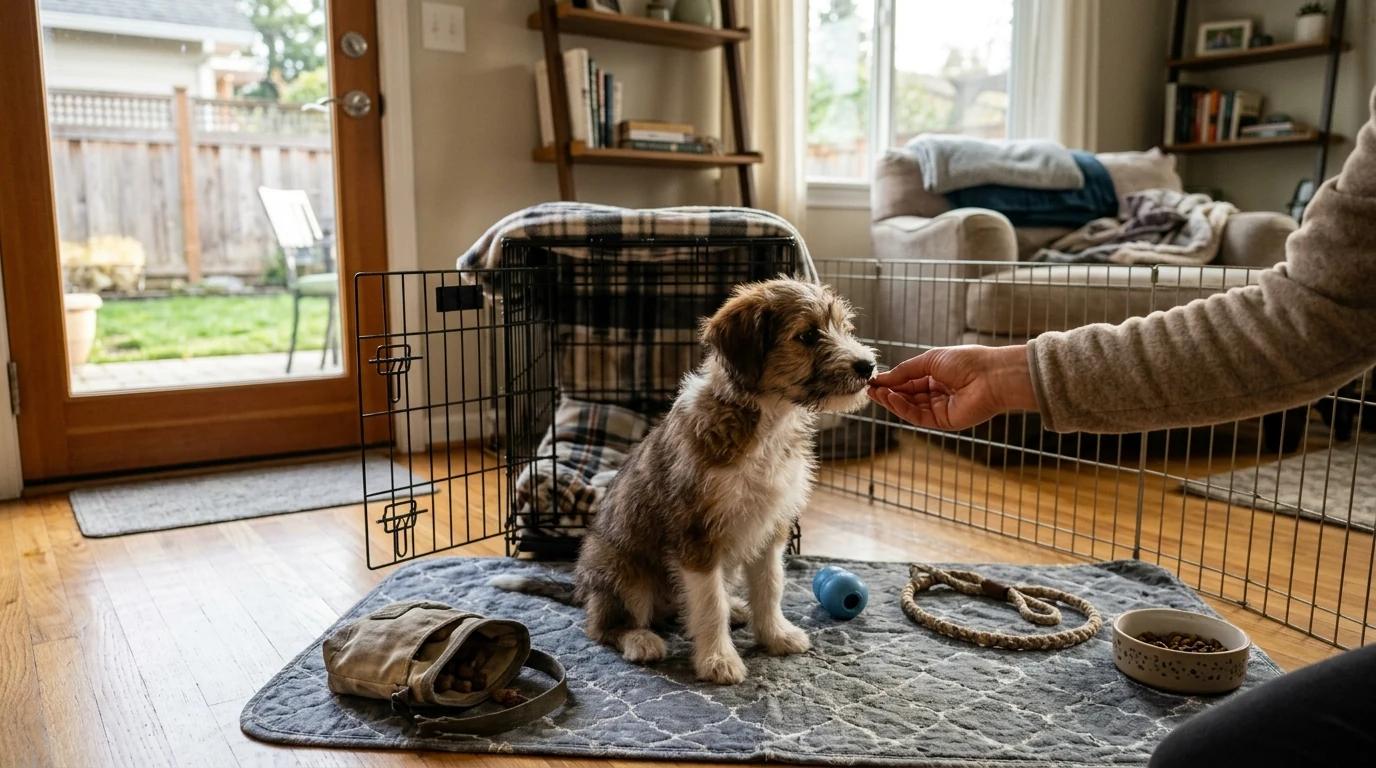
New Puppy Training Starter Guide: A 4-Week Routine for House-Training, Commands, and Socialization
A new puppy learns fastest with simple routines, clear cues, and consistent rewards. A structured 4-week plan helps prevent common problems like indoor accidents, nipping, and fearfulness by building the basics early: potty habits, crate comfort, name recognition, gentle handling, and calm social exposure. Use the steps below to set up the home, start day-one training, and progress week by week without overwhelming the puppy or the household.
Start Before Training: Set Up the Home for Success
Great puppy training starts with management. The fewer chances your puppy has to practice “wrong” behaviors, the faster the “right” ones stick.
- Pick a potty spot outdoors and use the same route and door every time to build strong location habits.
- Choose a confinement plan: a crate plus playpen is ideal for safety and accident prevention. Size the crate so your puppy can stand up, turn around, and lie down comfortably.
- Stock pea-sized, high-value treats and a treat pouch. Reward within 1–2 seconds of the behavior.
- Use an enzymatic cleaner for accidents; many standard cleaners leave scent traces that encourage repeat accidents.
- Create a “puppy-safe zone” by removing cords, small chewable items, houseplants, and access to stairs.
- Introduce chew options immediately (rubber chew, nylon chew, edible chew) and rotate them to prevent boredom.
- Set simple household rules (sleeping location, furniture access, feeding schedule, who handles potty breaks) so everyone trains the same way.
Daily Rhythm That Prevents Accidents and Overstimulation
Most puppy problems improve when the day becomes predictable. A reliable rhythm reduces stress, builds faster house-training, and helps your puppy get the 18–20 hours of sleep they typically need.
- Repeat this cycle: potty → play/training → food/water (as scheduled) → potty → calm chew → nap.
- Take the puppy out after waking, after eating/drinking, after play, after training, and at least every 1–2 hours early on (adjust by age and progress).
- Keep play short and end on a calm note; overtired puppies bite more and have more accidents.
- Use a consistent potty cue (like “go potty”) and reward immediately after finishing—outside—rather than when you’re heading back inside.
- Track accidents and successes for 7 days. Patterns reveal the best timing for breaks and meal adjustments.
- Use tethering (leash attached to an adult) during free time to prevent sneaky accidents and surprise chewing.
4-Week Starter Plan: What to Focus on Each Week
Think “light and consistent,” not intense. Several tiny sessions per day beat one long session every time.
| Week | Primary goals | Daily practice (5–15 minutes total) | Common pitfalls to avoid |
|---|---|---|---|
| Week 1 | Potty pattern, crate comfort, name recognition | Name game, treat-in-crate, potty cue + reward | Too much freedom indoors; waiting for puppy to ask to go out |
| Week 2 | First cues and gentle manners | Sit, touch, recall games, calm handling | Repeating cues; training when puppy is overtired |
| Week 3 | Calm behavior in the home | Settle/mat, door manners, short leash practice | Letting jumping/nipping succeed; inconsistent rules |
| Week 4 | Generalization and confidence | Practice cues in new places, brief outings, alone-time skills | Over-socializing (too intense/too long); skipping decompression naps |
- Week 1: Bonding and basics—name response, handling (paws/ears/mouth), potty schedule, crate introduction, gentle chew habits.
- Week 2: Foundation skills—sit, touch/hand target, recall games indoors, short leash follows, settle on a mat for 10–30 seconds.
- Week 3: Real-life practice—impulse control games (wait at door), calm greetings, longer crate/pen time with chew, reduce indoor potty frequency if progress supports it.
- Week 4: Proofing and confidence—practice cues in different rooms/outdoors, increase distractions gradually, add short car rides and calm public exposure where safe.
- Keep sessions short (1–5 minutes) several times per day and stop before frustration.
- If progress stalls, tighten management (more supervision, more frequent potty breaks, smaller area) instead of adding pressure.
House-Training Step-by-Step (Including Nighttime)
Beginner-Friendly Commands That Pay Off Fast
Socialization Without Overwhelming the Puppy
Socialization is about creating positive, low-pressure impressions—not collecting intense interactions. For guidance on safe timing and best practices, see the American Veterinary Society of Animal Behavior (AVSAB) position statement on puppy socialization and the American Kennel Club’s puppy training resources.
Printable Support for Consistency and Accountability
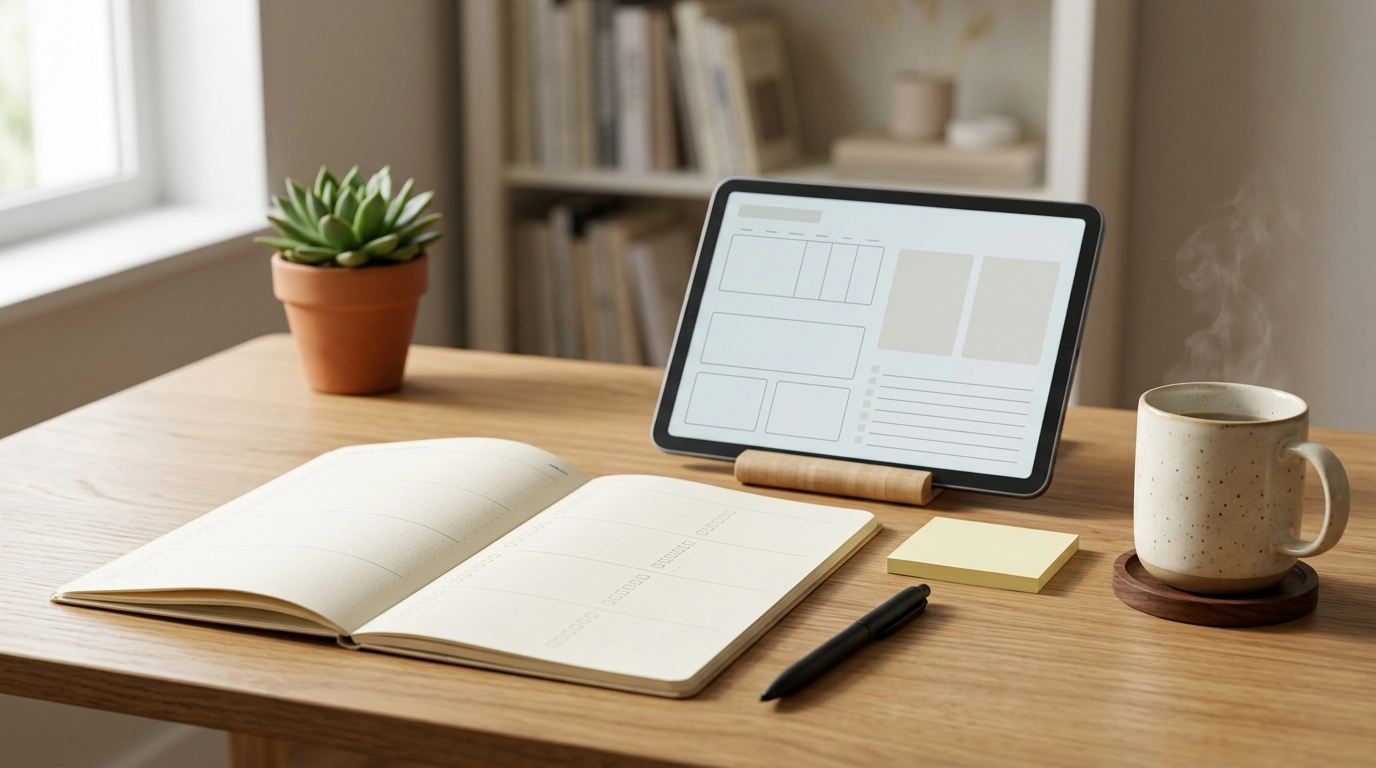
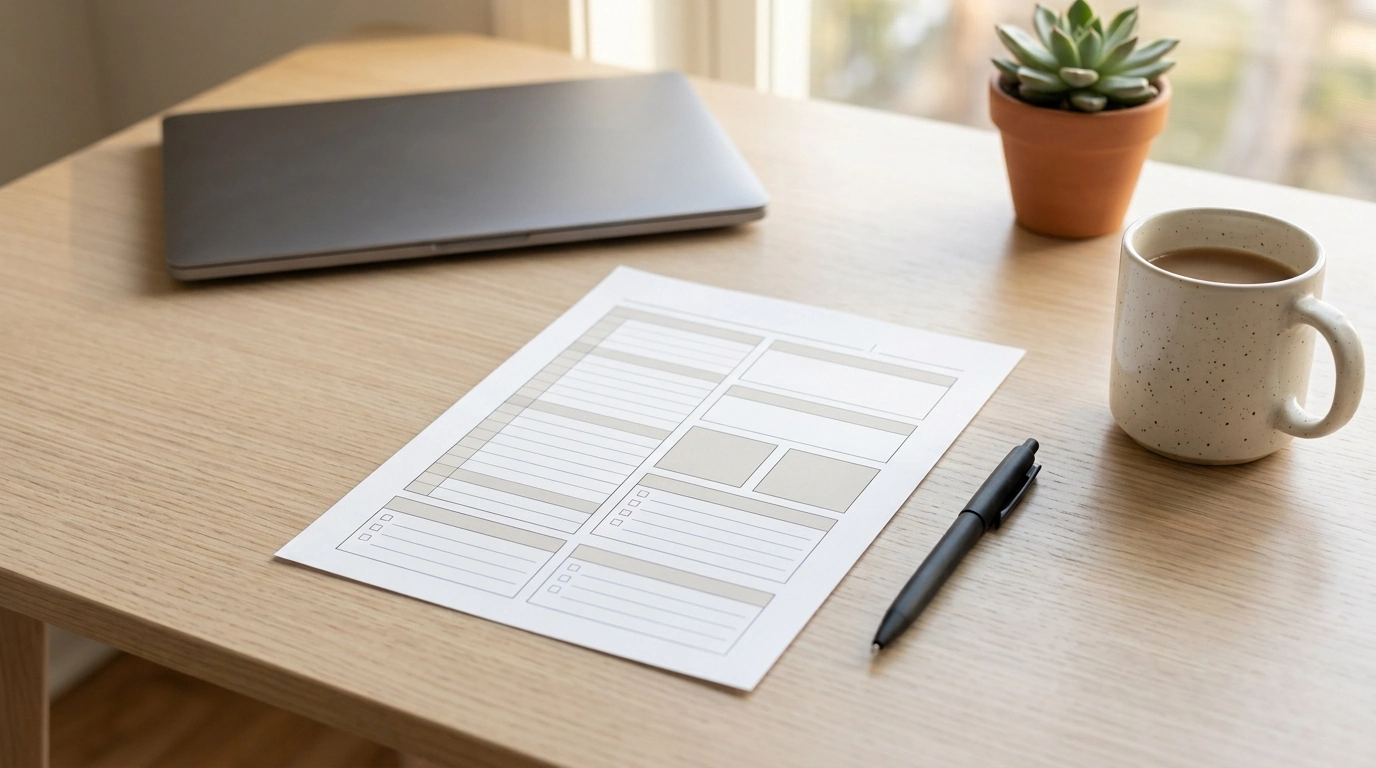
If you want a ready-to-use plan, New Puppy Training Starter Guide (printable 4-week routine) lays out daily steps, trackers, and weekly goals in one place.
For the human side of puppy-raising—staying consistent when you’re tired or your puppy has a rough day—How to Learn and Grow from Mistakes – Digital Guide can be a helpful companion for building patience and follow-through.
FAQ
How often should a new puppy go outside for potty breaks?
Plan on potty breaks after waking, after eating or drinking, after play/training, and about every 1–2 hours at the beginning. Adjust based on age and progress, and rely on supervision and management rather than punishment if accidents happen.
Is crate training necessary for house-training?
It’s optional, but a crate can make house-training much easier by supporting supervision, naps, and a consistent overnight routine. Introduce it gradually with treats and calm chew time so it stays a safe, positive space.
When can a puppy start socialization if vaccines aren’t finished?
Ask your veterinarian what’s appropriate for your area and your puppy’s health status. Many puppies can still do low-risk socialization—at home, with known vaccinated dogs, or by being carried in public—while avoiding high-risk dog areas until fully protected.









Leave a comment