600W Cordless Vacuum for Floors, Cars, and Pet Hair
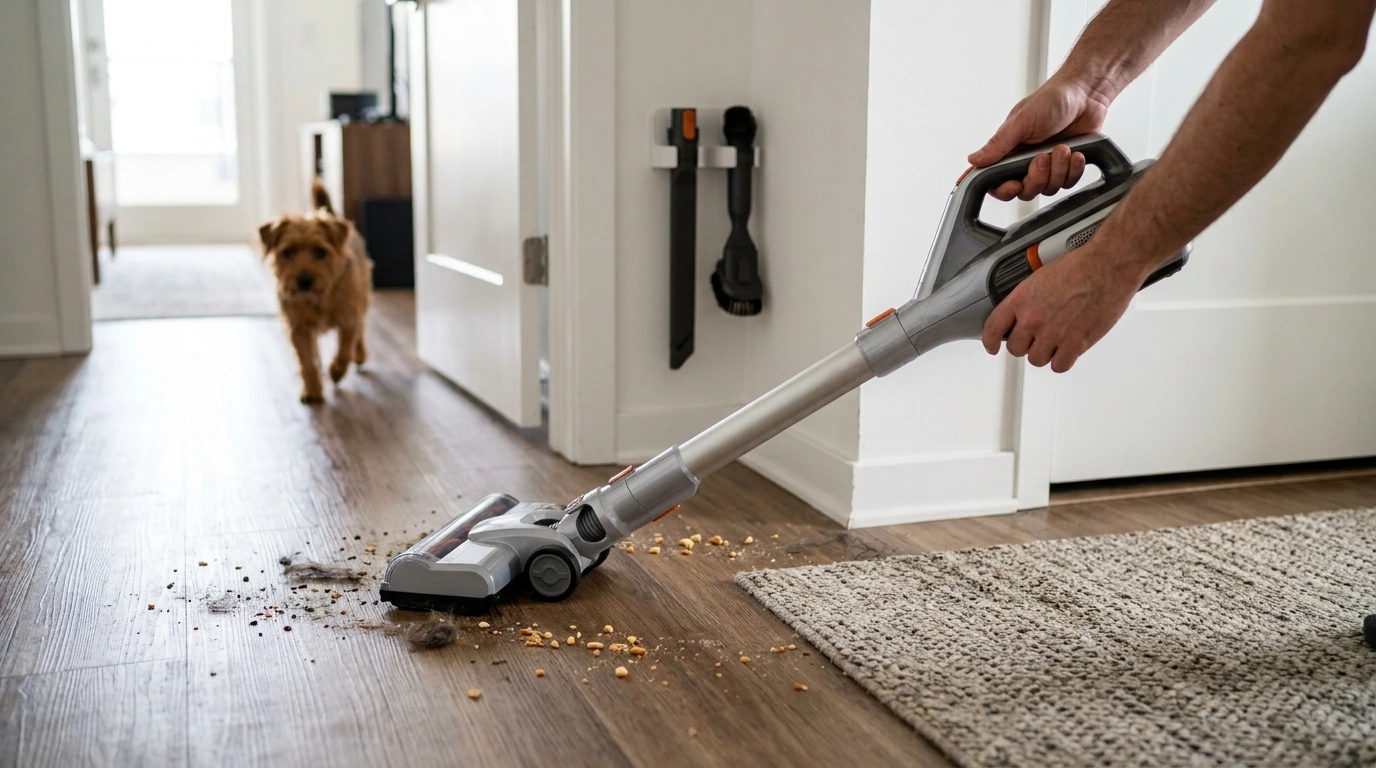
600W Cordless Vacuum Cleane: Powerful, Portable Cleaning for Floors, Cars, and Tight Spaces
A cordless vacuum should make everyday cleanup faster—without dragging cords, switching outlets, or sacrificing suction. The 600W Cordless Vacuum Cleane is built for quick pickups and detail cleaning across hard floors, low-pile rugs, upholstery, stairs, and car interiors, with a lightweight form factor that’s easy to grab between deeper clean days.
What This 600W Cordless Vacuum Is Best For
- Fast daily pickups: crumbs, pet hair, tracked-in debris near entryways, and kitchen messes.
- Multi-surface cleaning: smooth transitions from hard floors to low-pile rugs without the hassle of a cord.
- Car interiors: seats, floor mats, cupholders, and tight gaps when paired with narrow attachments.
- Stairs and upholstery: quick refresh on fabric surfaces where full-size vacuums feel bulky.
- Small-space living: apartments, dorms, RVs, and storage closets where compact tools matter.
For everyday “life mess,” a cordless vacuum earns its keep by being convenient enough to use often—especially when the alternative is dragging out a larger machine and managing a power cord around furniture.
Quick Specs and At-a-Glance Details
- 600W-class power: strong everyday suction in a cordless format.
- Cordless mobility: move room-to-room for spot pickups and small-area cleaning.
- Best results come from the right nozzle: floor head for open areas, crevice tool for edges and tight gaps.
- Flexible role: a primary vacuum for smaller homes or a secondary vacuum for quick cleanups in larger homes.
At-a-Glance Comparison for Common Cleaning Needs
| Cleaning need | Recommended setup | Why it helps | Tips for best results |
|---|---|---|---|
| Hard floors (tile/wood/laminate) | Floor head | Covers more area efficiently | Work in slow passes along baseboards where dust collects |
| Low-pile rugs | Floor head | Balances pickup and glide | Use shorter strokes and overlap passes for better debris lift |
| Pet hair on upholstery | Upholstery/brush tool (if included) | Agitates fibers to release hair | Clean in one direction, then crosshatch to lift embedded hair |
| Car seats and floor mats | Crevice tool + brush tool | Reaches seams and tight gaps | Vacuum seams first, then flat surfaces; shake mats outdoors before vacuuming |
| Corners and edges | Crevice tool | Targets narrow spaces where debris hides | Angle the nozzle along edges; empty bin before detail work for stronger airflow |
Suction, Runtime, and Real-World Performance
Cordless convenience is most noticeable during short cleanups—spills, litter scatter, and hallway debris—because it’s easy to grab, use, and put away. For heavier debris (especially on rugs and textured upholstery), slower passes and repeated strokes typically improve pickup by giving airflow more time to pull particles free.
If suction starts to feel weaker mid-session, it’s usually an airflow issue rather than a “motor problem.” A full dust cup, a loaded filter, or a partial clog in the nozzle/tube can restrict airflow quickly. Keeping filters clean and the dust container emptied prevents that sudden drop that feels like “lost suction.”
For homes focused on healthier indoor air, routine vacuuming is a simple habit that supports cleaner living spaces. General guidance on indoor air quality and household pollutants is available from the U.S. Environmental Protection Agency (EPA).
Comfort and Handling: Weight, Reach, and Storage
A cordless design reduces the constant repositioning that comes with corded vacuums—no snagging on chair legs, no switching outlets, and less stop-and-go while you’re cleaning. That matters for quick sessions, since a vacuum that feels simple tends to get used more often.
- Reach: for vents, corners, and higher spots, an extension/reach tool (if included) helps you keep stable posture and avoid overreaching.
- Stairs: start at the top and work downward to avoid re-dirtying steps as debris falls.
- Storage: compact placement near an entryway or utility nook makes it more likely you’ll handle dirt before it spreads.
Maintenance That Keeps It Working Like New
Most cordless vacuum performance issues come down to maintenance. A few quick habits keep airflow strong and reduce wear over time:
For broader best practices on cleaning routines in shared spaces and high-touch areas, the CDC’s cleaning guidance is a helpful reference point.
Safety and Battery Care
Price, Value, and Who Should Buy It
To check current pricing and availability, visit the 600W Cordless Vacuum Cleane product page.
More In-Stock Picks (Popular Add-Ons)
- Square Moissanite Diamond Stud Earrings — a giftable add-on for special occasions.
- 18K Gold Custom Alphabet Initial Necklace — a personalized accessory option.
- How to Learn and Grow from Mistakes – Digital Guide — a quick-download read for personal development.
FAQ
Is a 600W cordless vacuum good for pet hair?
It can handle everyday pet hair on hard floors and most upholstery, especially when using a brush or upholstery tool (if included). For best results, empty the dust cup frequently and keep the filter clean; very thick carpeting may still require slower passes or a carpet-focused vacuum.
How often should the filter be cleaned or replaced?
For light use, check and clean the filter every few weeks; for pets or heavy dust, do weekly checks. If the filter no longer cleans up well, airflow stays weak, or odors persist after cleaning (and full drying), it’s time to replace it.
Why did the suction suddenly get weaker?
The most common causes are a full dust cup, a clogged nozzle/tube, a dirty filter, hair wrapped in the brush area, or a low battery. Start by emptying the bin, then check for clogs, clean the filter, remove hair buildup, and recharge fully before the next session.








Leave a comment