5×7 Lacrosse Rebounder Net: Adjustable Pitchback Trainer
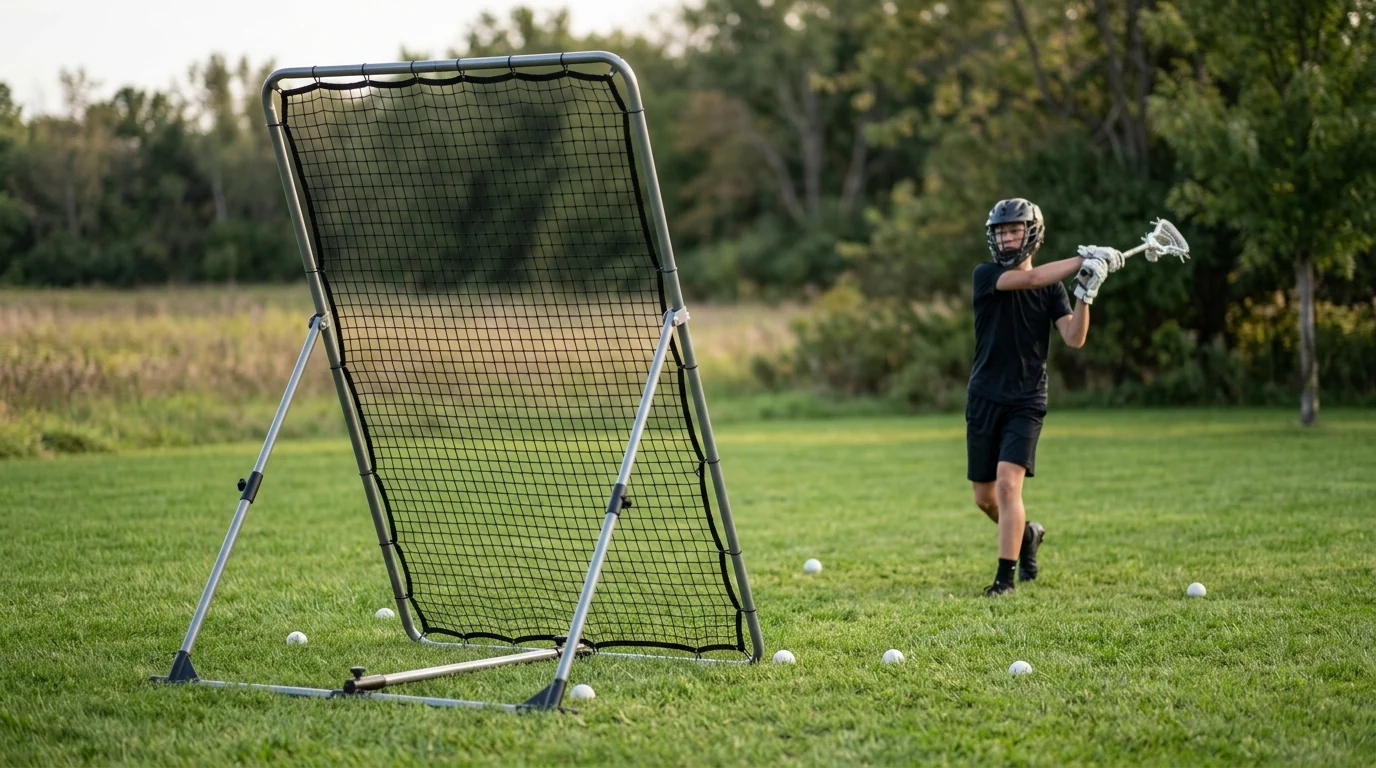
5×7 ft Lacrosse Rebounder Net with Adjustable Pitchback for Multi-Sport Training
A 5×7 ft rebounder net is a practical way to get more reps when a partner or wall isn’t available. With an adjustable pitchback angle and a large target area, this style of trainer supports quick-stick catches, ground-ball pickups into throws, passing accuracy, and reaction time across multiple sports—ideal for backyard sessions, team warmups, and skills stations.
What This Rebounder Helps Improve
- Passing and catching consistency through repetitive return cycles
- Reaction speed and hand-eye coordination as the rebound angle changes
- Accuracy training by aiming at specific zones on a larger 5×7 ft face
- Solo skill sessions for lacrosse, baseball/softball throws, and general field-sport drills
- Conditioning add-ons: sprint-to-pass, shuffle-to-catch, and quick reset reps
For athletes building fundamentals, high-quality repetition is the difference-maker: the net sends the ball back quickly enough to reinforce timing, but predictably enough to let technique lead. For coaches, it creates an instant “extra set of hands” that keeps lines moving during warmups and stations.
Standout Features for Daily Training
- 5×7 ft size provides a generous rebound surface that reduces missed reps and wasted time chasing balls
- Adjustable pitchback angle to vary return trajectory—from flatter passes to higher pop-backs
- Suitable for multi-sport use, making it easier to share across athletes in the same household
- Portable practice option for driveways, backyards, and field edges when a wall isn’t accessible
- Works well in stations: rotate athletes through rapid-fire throws, catch-and-release, or accuracy sets
Looking for a straightforward option that’s built around this training style? See the 5×7 ft Lacrosse Rebounder Net – Adjustable Pitchback for Multi-Sport Training to get a feel for the size and use case before planning your drill space.
How to Dial in the Angle for Different Drills
- Flatter angle: promotes faster returns for quick hands, short passing, and rapid catch-release sequences
- Steeper angle: sends higher, more arcing rebounds to train tracking, soft hands, and overhead catches
- Progression idea: start at a forgiving angle for warmups, then tighten the angle and increase speed
- Accuracy challenge: aim for consistent hit points and track how return location changes with angle adjustments
- Footwork layer: add lateral shuffles, drop steps, or 5–10 yard bursts between throws
A useful way to “lock in” mechanics is to pick one small target zone (top-left, center, bottom-right) and keep score: count clean catches that return to your stick pocket without extra steps. If the rebound drifts, adjust either your release line or the pitchback angle—small changes can noticeably alter return height and speed.
Multi-Sport Training Ideas (No Partner Needed)
- Lacrosse: quick sticks (catch and pass without cradling), alternating hands, and time-to-release intervals
- Lacrosse: scoop-to-throw reps—start with a ground-ball pickup, then throw into the net immediately
- Baseball/softball: throwing mechanics focus—target a consistent release point and follow-through
- Soccer or general athletics: reaction work—throw, backpedal, and catch on the return to train decel-control
- Team station: set a rep goal (e.g., 25 clean catches) before rotating to the next skill station
For lacrosse skill development guidance and age-appropriate progressions, USA Lacrosse’s athlete development resources are a helpful reference point. For throwing volume management—especially for younger arms—review the American Sports Medicine Institute’s youth throwing injury position statement and keep sessions controlled as intensity rises.
Setup, Stability, and Safe Use
- Place on level ground to keep the frame stable and returns predictable
- Allow clearance behind the net so rebounds and misses don’t hit windows, cars, or bystanders
- Use appropriate balls for the sport and skill level; begin with controlled power before ramping up
- For younger athletes, start at a moderate angle to reduce unpredictable bounce-backs
- Check tension and fasteners periodically, especially after high-volume sessions or transport
For driveway training, a simple routine helps: set the net, check the angle lock, take five warmup throws at medium pace, then step into speed only after rebounds are landing where you expect. If the return feels “hot,” flatten the angle slightly and shorten your throwing distance until control catches up.
Specifications at a Glance
A quick reference to compare size and training role before buying or setting up a practice space.
| Feature | What to Expect | Why It Matters |
|---|---|---|
| Training surface | 5×7 ft rebound area | More usable target space for fewer missed reps |
| Pitchback | Adjustable angle | Changes return speed/trajectory for skill progression |
| Sports use | Multi-sport trainer | Shared equipment for lacrosse and throwing drills |
| Session style | Solo practice + team stations | Supports repetition, timing, and consistency |
| Placement | Backyard/driveway/field edge | Flexible practice locations when a wall isn’t available |
Who It’s Best For
Care and Long-Term Use Tips
Shop In-Stock Picks
- 5×7 ft Lacrosse Rebounder Net – Adjustable Pitchback for Multi-Sport Training
- How to Learn and Grow from Mistakes – Digital Guide | Mindset, Self-Growth & Resilience eBook
- 18K Gold Custom Alphabet Initial Necklace
FAQ
Is a 5×7 ft rebounder large enough for lacrosse passing practice?
Yes. A 5×7 ft face is forgiving for solo passing reps, and it’s large enough to keep sessions moving without constant resets. For accuracy, treat the big surface like smaller “zones” and aim for the same spot repeatedly.
How does changing the pitchback angle affect the rebound?
A flatter angle typically produces faster, lower returns that suit quick sticks and rapid catch-and-release work. A steeper angle tends to send higher, more arcing rebounds for tracking, soft hands, and overhead catches; start moderate and adjust as control improves.
Can one rebounder be used for multiple sports?
Yes. This style of rebounder works well for lacrosse, baseball/softball throwing reps, and general reaction drills. Use sport-appropriate balls and begin with controlled power until you learn how the rebound behaves at each angle.







Leave a comment