Cactus Cat Tree Tower: Plush Hammock & Roomy Condo
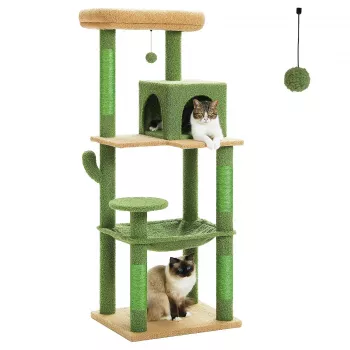
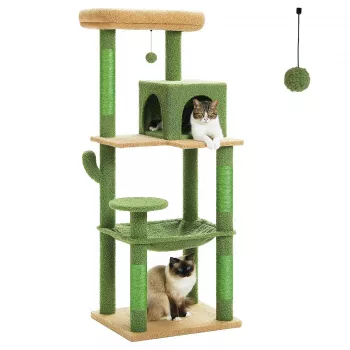
Cactus Cat Tree Tower for Large Cats with Plush Hammock & Spacious Condo
A sturdy cat tower can turn a small corner into a full-time climbing, lounging, and scratching zone—especially for bigger cats that need wider perches and a stable base. This cactus-inspired tower pairs a cozy plush hammock with a roomy enclosed condo to support naps, play bursts, and stress-relieving vertical time.
What makes a cactus-style tower a good everyday hangout
Most cats crave vertical space. A well-designed tower gives them a safe way to climb, perch, and observe without taking over your floor plan. For large cats, that “up and away” option can also reduce friction in multi-pet households by creating an extra hangout zone that isn’t the couch or your bed.
- Vertical space, smaller footprint: A tower stacks rest spots so cats can spread out without competing for one favorite cushion.
- Playful look, practical layout: Cactus styling can blend into living rooms, bedrooms, and home offices while still offering multiple levels for daily use.
- Different zones for different moods: Perch + hammock + condo means your cat can watch, nap, hide, and reset as needed.
- A clear “yes” spot: Giving cats an approved climbing/scratching destination helps redirect attention away from furniture edges and chair backs.
Comfort zones: plush hammock and spacious condo
Flat pads are fine, but many cats prefer a slightly cradled surface that supports their body shape. A plush hammock can become a repeat nap choice because it feels secure and gently distributes pressure, which is especially appreciated by heavier cats who like to “sink in” rather than sprawl on a hard platform.
- Hammock naps: A plush hammock offers a cozy, hugged-in resting spot that can help cats settle faster.
- Condo privacy: An enclosed condo supports decompression—ideal for shy cats, new arrivals, or households with more than one pet.
- Better rest variety: Open perches tend to invite short dozes and watchful lounging; enclosed spaces often support deeper sleep.
- Speed up adoption: Add a familiar blanket or (if your cat enjoys it) a small pinch of catnip to make the condo and hammock feel “claimed.”
For more on why secure hiding spots and predictable resources matter, see guidance from International Cat Care.
Built for larger cats: stability, spacing, and daily use
Big cats don’t just need “more room”—they need confidence. Wider platforms and secure transitions between levels help reduce hesitation, missed jumps, and that quick “nope” that happens when a tower wobbles. In many homes, stability matters more than height: if it rocks, cats often avoid it, no matter how cute it looks.
- Wider resting areas: Large cats benefit from perches and landings that don’t force them to curl tightly.
- Low-wobble setup: A stable base and solid connection points encourage repeat use.
- Use your room layout: Place the tower so at least one side is near a wall; many cats feel safer with a “backstop” during jumps.
- Create a simple routine: For the first week, place a treat on the top perch once daily to build a predictable habit.
Scratching and climbing: protecting furniture by meeting instincts
Scratching is normal. It helps cats maintain claws, stretch their shoulders and back, and leave scent markers. The most effective way to reduce furniture scratching isn’t punishment—it’s making the right option more convenient and more rewarding.
- Give a socially acceptable target: Cats are more likely to scratch what’s already on their route (near nap spots, hallways, or common rooms).
- Reward early wins: When your cat uses the tower to scratch, reinforce it with calm praise or a small treat.
- Avoid punishment: Stress can increase unwanted behaviors and reduce trust, especially with sensitive cats.
- Use strategic placement: If scratching returns to the couch, move the tower closer to that area first—then gradually relocate it once the habit sticks.
Additional behavior context is available through the ASPCA’s cat behavior resources.
Where to place it for fast adoption
Quick checklist before buying and setting up
Tower fit and placement checklist
| Item to check | Why it matters | Simple way to confirm |
|---|---|---|
| Base stability | Prevents wobble and boosts confidence for larger cats | Push lightly from the side; it should not rock |
| Condo space | Supports deep rest and reduces stress | Cat can enter, turn around, and lie down easily |
| Hammock comfort | Encourages frequent naps and reduces joint pressure | Cat can settle without slipping or overhanging |
| Jump path | Reduces missed jumps and hesitation | Clear approach with no clutter within landing zones |
| Location | Improves adoption and reduces furniture scratching | Near a window or favorite hangout area |
Product option: cactus tower with plush hammock and roomy condo
Cactus Cat Tree Tower for Large Cats with Plush Hammock & Spacious Condo
More in-stock picks (great add-ons or gifts)
FAQ
Will a plush hammock hold a large cat comfortably?
It can, as long as the hammock has sturdy stitching, a supportive frame, and the tower itself stays stable. Watch how your cat settles (no slipping or excessive overhang) and place the tower near a wall if you need extra confidence during jumps.
Where should a cat tree go so cats actually use it?
Put it near a window or a spot your cat already chooses for rest, and avoid loud appliances if your cat startles easily. If the goal is to curb furniture scratching, start by placing the tower close to the area being scratched and reward your cat for using it.
How do you get a cat to use the condo instead of hiding under the bed?
Make the condo feel safe and familiar with a blanket that smells like home, keep the area calm, and reward voluntary entry with a treat. Avoid forcing your cat inside; enclosed spaces work best when your cat can choose them as a secure retreat.









Leave a comment