Fabric Drawer Dressers: Pros, Cons, and Best Uses
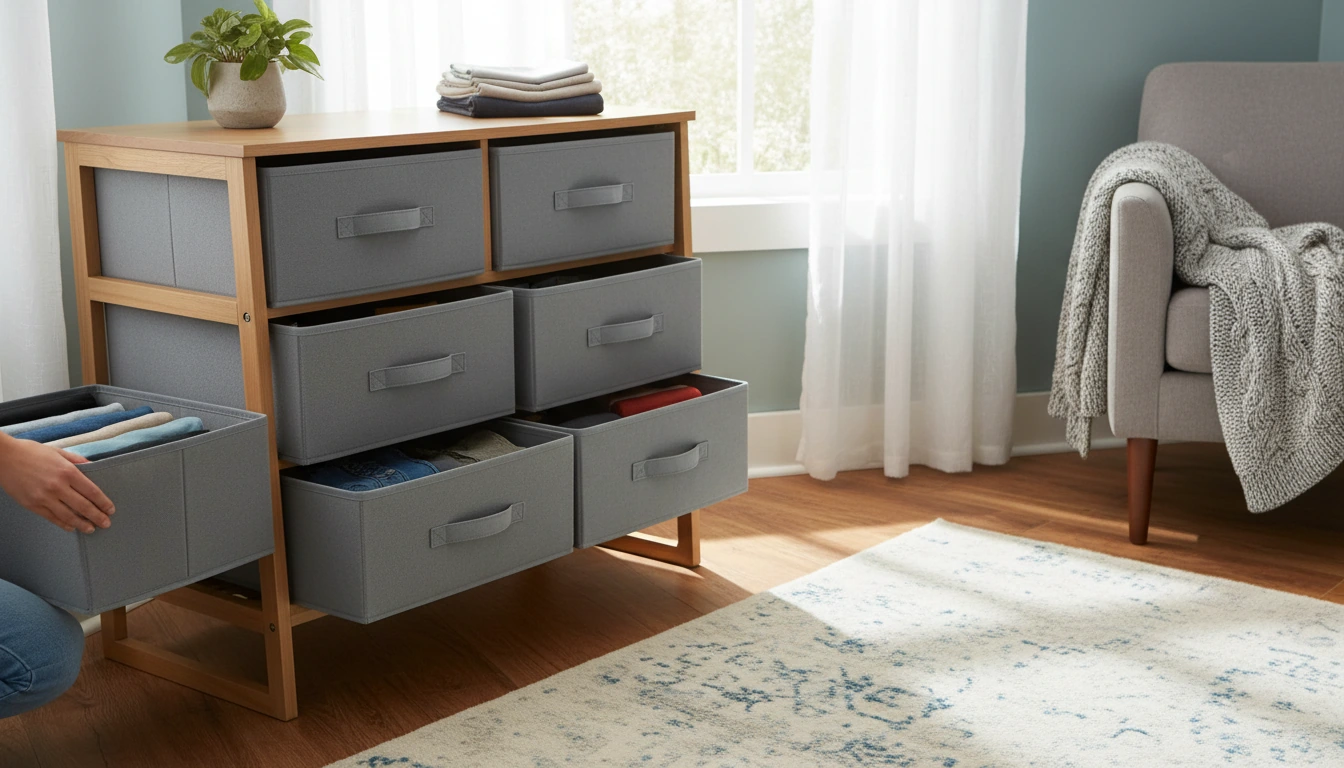
Are dressers with fabric drawers good?
Dressers with fabric drawers can be a great choice when you want lightweight, budget-friendly storage that’s easy to move and simple to assemble. They’re especially popular for closets, dorms, kids’ rooms, craft spaces, and anywhere you want quick organization without the cost or weight of solid wood furniture.
When fabric-drawer dressers are a good fit
Fabric drawers work well for soft, light items like T-shirts, pajamas, socks, baby clothes, linens, and accessories. Because the drawers flex slightly and glide easily, they’re convenient for everyday grab-and-go storage. Many models use a metal or engineered-wood frame, which helps keep the unit stable while still being easy to relocate during rearranges or moves.
Where fabric drawers fall short
They’re not ideal for heavy loads or items that need firm support, such as stacks of jeans, tools, or bulky electronics. Fabric sides can bow when overfilled, and the drawers may not slide as smoothly as traditional wood drawers with hardware. They can also absorb odors more readily than sealed wood or plastic, so they’re less suited to damp areas or storage near strong smells.
How to choose a better one
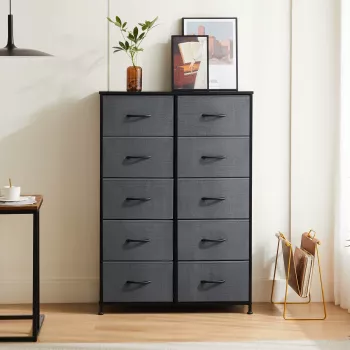
Look for a rigid frame, a solid top panel if you plan to place a lamp or décor, and drawers with sturdy bottoms (often reinforced with MDF or thick inserts). Check weight limits, drawer dimensions, and whether the unit includes anti-tip hardware—especially for children’s rooms. For longevity, treat fabric drawers like “soft storage”: don’t overload them, and keep them dry.
For a deeper breakdown of pros, cons, and what to look for before buying, visit the main guide on dressers with fabric drawers.
For Fabric Drawer Dressers: Pros, Cons, and Best Uses, the best answer depends on fit, material, care instructions, and how the product will be used day to day.
FAQ
What are the disadvantages of fabric drawers?
They hold less weight than wood or plastic drawers and can sag or lose shape if overfilled. Fabric can also collect dust and absorb odors more easily, and the drawers typically don’t glide as smoothly as traditional drawer hardware.










Leave a comment