1:32 RC Monster Truck: Crawl, Drift, and Off-Road Tips
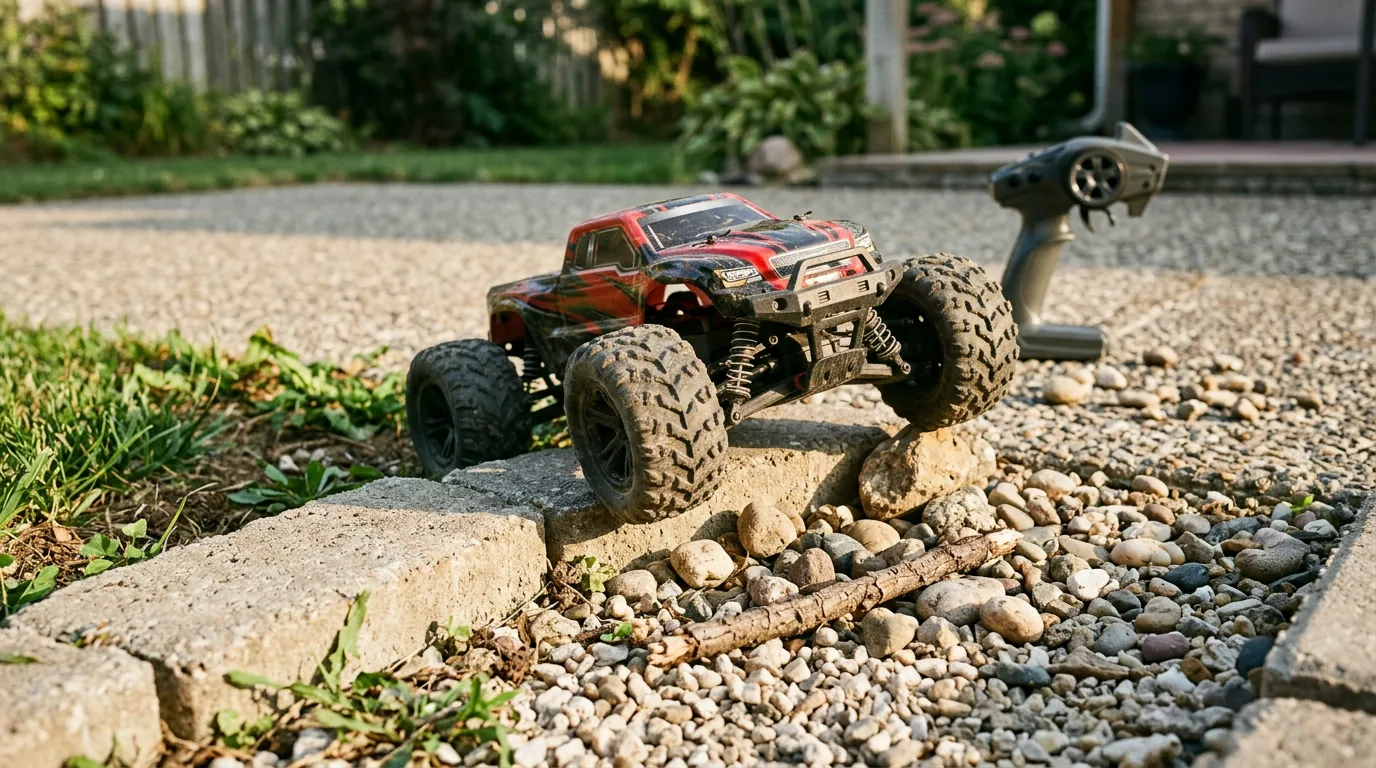
1:32 RC Sports Car Monster Truck: Rock Crawling, Off-Road Runs, and High-Speed Drifts
Built for mixed-terrain fun, this 1:32 RC sports car monster truck blends a compact scale with off-road stance for backyard obstacles, driveway drifting, and quick sprints. Small-scale RCs reward smooth inputs: a calmer throttle finger and cleaner steering lines can noticeably improve crawling stability, turn control, and overall run time.
What This 1:32 RC Truck Is Designed To Do
A 1:32 RC “sports car monster truck” sits in a sweet spot: small enough to stash in a drawer or backpack, yet capable enough to handle everyday bumps and low obstacles.
- Compact 1:32 scale for indoor-friendly play and easy transport, with enough clearance for small outdoor bumps.
- All-in-one style driving: straight-line bursts, tight turns, and controlled slides on smoother surfaces.
- Beginner-friendly platform for practicing throttle control, steering inputs, and obstacle approach angles.
- Great for casual sessions on driveway, patio, short grass, packed dirt, and light gravel (avoid deep sand or mud unless the listing states water resistance).
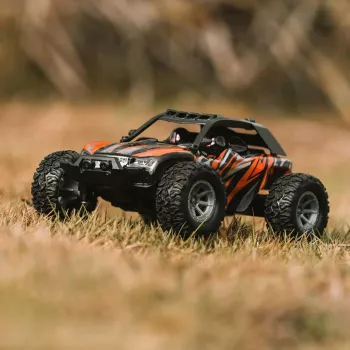
If you want a ready-to-run pick for quick sessions, check out the 1:32 RC Sports Car Off-Road Rock Crawler High-Speed Drift Remote Control Monster Truck.
Key Features That Matter During Off-Road and Drift Sessions
On a small chassis, “little” details are what determine whether the truck feels planted or twitchy. These are the features that show up immediately once you start switching surfaces.
- Tire tread and compound: deeper lugs help on dirt and small rocks; smoother tread slides more easily for drifting on tile/wood.
- Wheelbase and stance: a wider stance improves stability when turning fast or side-hilling on uneven ground.
- Ground clearance: helps avoid getting hung up on twigs, door thresholds, and small stones.
- Steering response: quicker steering helps with dodging obstacles; smoother steering helps maintain a drift line.
- Body and bumper shape: rounded corners reduce snagging; a tougher front end helps absorb curb taps.
- Controller feel: a comfortable trigger/steering wheel (or joystick) makes consistent inputs easier over longer sessions.
How To Get Better Rock-Crawling Results With a Small-Scale RC
Rock crawling at 1:32 is less about brute power and more about patience, balance, and choosing the “easy route” that keeps tires loaded.
- Use a slow approach: steady throttle reduces wheelspin and improves traction on pebbles and uneven pavers.
- Climb at an angle: attacking a step straight-on can high-center; a slight diagonal approach can keep tires engaged.
- Avoid sudden steering on climbs: turn corrections mid-climb can unload a tire and cause a slide-out.
- Pick lines with “grip zones”: aim tires at textured surfaces (cracks, rough concrete) instead of smooth stones.
- If stuck, reverse gently and re-approach: rocking the throttle aggressively can dig in or tip the truck.
A quick practice idea: set up a “mini trail” with a doormat edge, a small book, and a strip of textured concrete. Repeat the same climb five times, changing only your approach angle, and you’ll feel traction improve almost instantly.
High-Speed Driving and Drifting: Setup and Technique
Drifting is about controlling weight transfer. On a small RC, the transition from grip to slide happens fast—so smoother inputs usually beat “more steering.”
- Start on a clean, smooth surface: dust and grit make spins unpredictable and increase tire wear.
- Feather the throttle: quick on/off pulses help initiate a slide without fully losing control.
- Counter-steer early: as the rear steps out, steer slightly into the slide to hold the drift arc.
- Use wider turns first: tight circles are harder; expand radius until consistent control is achieved.
- Create a simple practice course: cones, tape lines, or cardboard gates build repeatable skills.
If you’re learning, keep speeds moderate and focus on holding the same drift angle through a wide corner before attempting “snap” transitions.
Where It Performs Best (And Where It Struggles)
Surface choice can make the same RC feel like two different vehicles. Use the guide below to pick terrain that matches the session: crawling, cruising, or sliding.
Quick Terrain Guide for a 1:32 Off-Road/Drift RC
| Terrain | What to Expect | Driving Tip |
|---|---|---|
| Tile/Wood | Fast speed and easy slides | Reduce throttle on entry; counter-steer to hold angle |
| Low-pile carpet | More grip, less drifting | Use smoother steering; practice slaloms |
| Packed dirt | Balanced traction | Feather throttle to avoid fishtailing |
| Short grass | Slower, higher load on motor | Keep runs short and avoid sudden stops |
| Loose gravel | Bouncy, inconsistent grip | Slow down; pick a clear line to prevent rollovers |
| Deep sand/mud | High chance of getting stuck | Avoid unless the product specifies suitable sealing |
Battery, Charging, and Run-Time Habits That Help
For additional safety and compliance info on radio devices and consumer products, you can reference the FCC equipment authorization lookup and check CPSC recall notices.
Durability and Care for Everyday Use
Who This RC Truck Fits Best
Related Gift Ideas (Optional Add-Ons)
- 18K Gold Custom Alphabet Initial Necklace
- Square Moissanite Diamond Stud Earrings
- How to Learn and Grow from Mistakes – Digital Guide
FAQ
Can it drive on grass and small rocks?
It works best on short grass and small, stable rocks or packed dirt. Deep grass and loose stones can bog it down or cause rollovers, so choose a clear path and use gentle throttle.
How can drifting be controlled instead of spinning out?
Start on a clean, smooth surface and practice wider turns first. Feather the throttle to initiate the slide, then counter-steer early to stabilize the drift and keep speeds moderate until it feels consistent.
What should be checked if it stops moving but the lights/controller still respond?
Check battery charge first, then look for debris stuck in the wheels. With power off, confirm the drive wheels spin freely by hand and inspect for a loose wheel or a jam near the gear area.







Leave a comment