Better Sleep in 14 Days: Routine, Setup, and Fixes
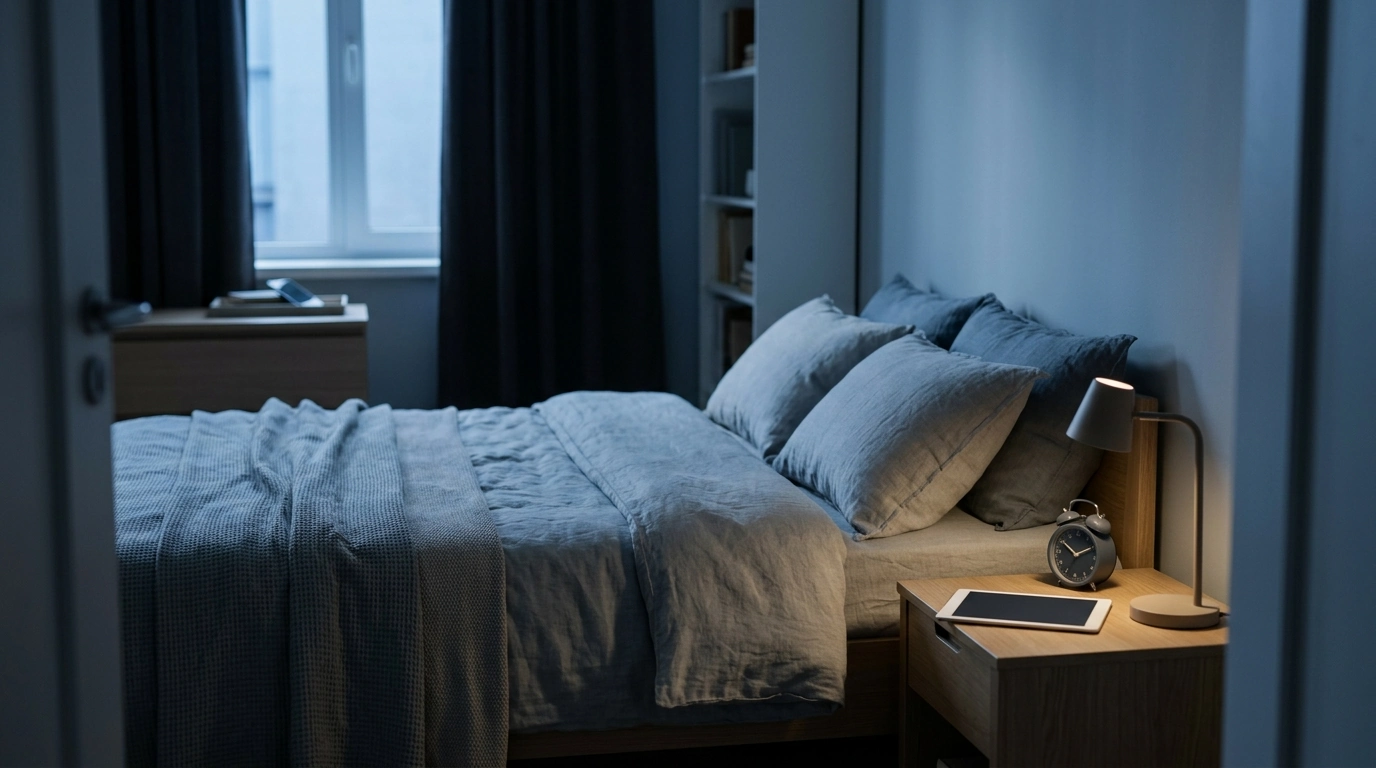
Restful Nights and Energized Days: A Practical Plan for Better Sleep
Better sleep rarely comes from a single trick. It comes from a repeatable routine that aligns light, timing, environment, and daily habits—plus a clear plan for what to do on the nights when sleep doesn’t come easily. The steps below are designed to be started today and strengthened over the next few weeks, so sleep becomes more consistent without turning bedtime into a performance.
For a deeper overview of healthy sleep basics and sleep health signals to watch, the CDC’s sleep resources and the National Heart, Lung, and Blood Institute are helpful reference points.
Start with a simple sleep baseline
Before changing everything at once, get a clear picture of what’s happening now. A baseline helps you pick the smallest change that will make the biggest difference.
- Pick a consistent wake-up time to anchor the day; keep it within the same 60–90 minute window even on weekends.
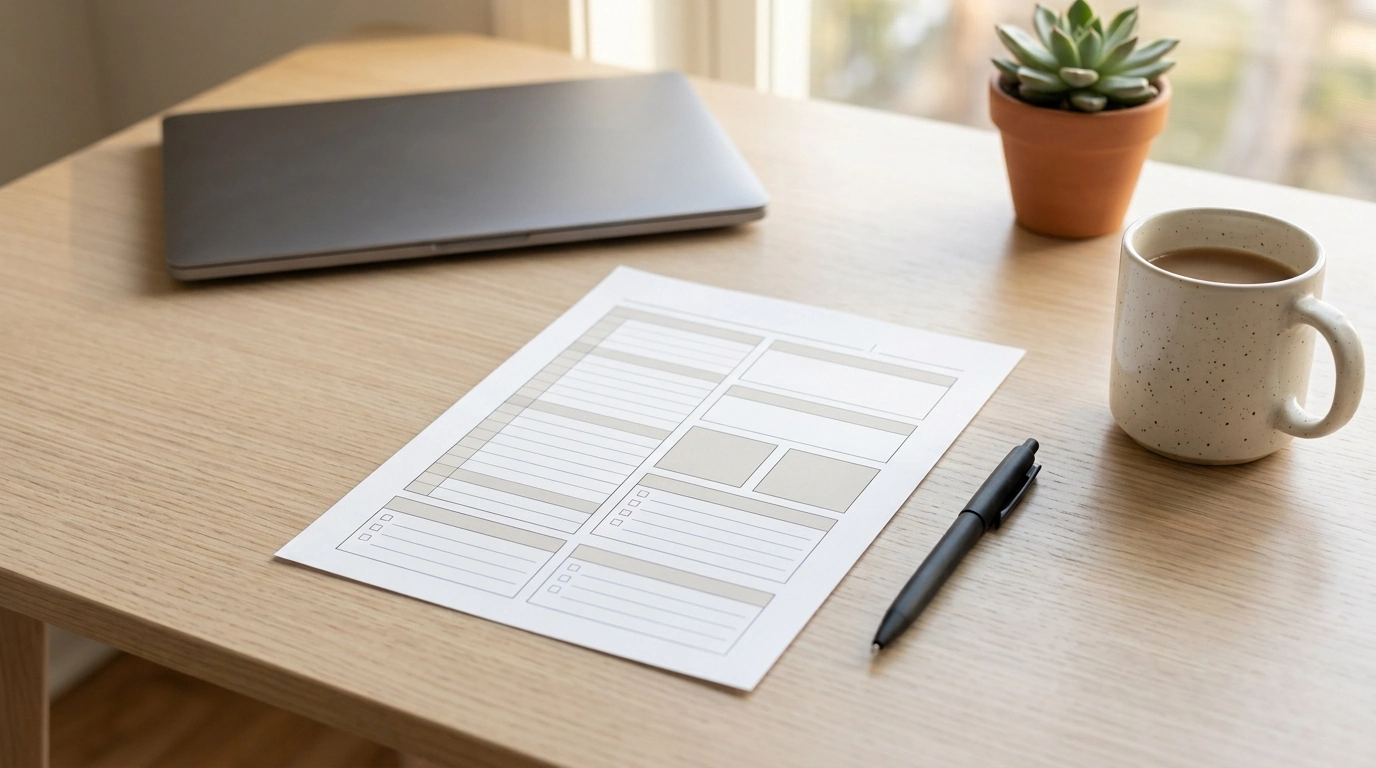
- Track 7 days of basics: bedtime, wake time, estimated time to fall asleep, night awakenings, caffeine/alcohol timing, and how rested the morning feels.
- Aim for steady timing before chasing perfection. Regularity strengthens sleep drive and supports the circadian rhythm.
- Watch for patterns that line up with rough nights: late caffeine, irregular wake time, long naps, bright evening light, or stress spikes.
- Set one measurable goal for the next 2 weeks (example: “Wake at 7:00 am daily” or “No caffeine after 12:00 pm”).
Build a healthy sleep routine that sticks
The goal is to make sleep more automatic. Simple, repeatable cues teach your body when it’s time to downshift.
- Create a 45–60 minute wind-down window with the same 2–3 actions each night (dim lights, hygiene routine, light reading).
- Keep the bed for sleep and intimacy. Move scrolling, work, and intense planning out of bed to strengthen the bed-sleep association.
- If sleep doesn’t happen after roughly 20 minutes, get up. Do something calm in dim light until drowsy, then return to bed.
- Keep naps short (10–20 minutes) and early afternoon if needed; avoid late naps that steal nighttime sleep drive.
- Use morning light: step outside within the first hour of waking for 5–10 minutes (longer on cloudy days) to reinforce circadian timing.
Optimize the sleep environment (fast wins)
Small environmental fixes can reduce micro-awakenings and make it easier to fall back asleep when you do wake up.
- Make the room dark: blackout curtains, an eye mask, and covering small LEDs can reduce nighttime “attention grabs.”
- Keep the room cool: many people sleep better in a slightly cooler bedroom than the rest of the home.
- Reduce noise disruptions: try a fan, white noise, or earplugs if outside sounds are unpredictable.
- Dial in bedding comfort: supportive pillow height, breathable sheets, and a mattress that matches your sleep position.
- Keep the phone out of reach: use an alarm clock or place the phone across the room to reduce late-night checking.
Quick Sleep Setup Checklist
| Area | Goal | Examples |
|---|---|---|
| Light | Darker evenings and nights | Dim lamps, warm bulbs, blackout curtains, eye mask |
| Sound | Fewer awakenings | White noise, fan, earplugs, door draft stopper |
| Temperature | Comfortably cool | Light blankets, breathable sheets, adjust thermostat/fan |
| Bed habits | Stronger sleep association | No work in bed, calm routine, consistent wake time |
Daytime habits that improve sleep at night
Night sleep is heavily influenced by daytime choices—especially stimulants, timing, and how the mind “closes open loops.”
When insomnia shows up: what to do in the moment
- Use a low-stimulation reset: sit in dim light and do something boring and calm (paper book, simple puzzle, breathing) until sleepiness returns.
- Try a brief relaxation tool: slow breathing, progressive muscle relaxation, or a body scan—focus on settling the body rather than forcing sleep.
- Avoid clock-watching: turn the clock away to prevent time-based anxiety.
- Offload racing thoughts: keep a notepad nearby, write the thought and the next step, then return to wind-down.
- If insomnia is frequent, use proven support: if it happens 3+ nights/week for 3+ months, consider CBT-I, a first-line approach for chronic insomnia. The American Academy of Sleep Medicine’s insomnia overview is a solid starting point.
A 14-day plan for long-term sleep improvement
A guided digital resource for restful nights
If you want a structured, step-by-step approach with clear actions, routines, and troubleshooting, Your Step-by-Step Guide to Restful Nights and Energized Days (digital download) is built to help you turn the plan above into a repeatable system you can stick with.
For the nights when setbacks trigger frustration or “all-or-nothing” thinking, it pairs well with How to Learn and Grow from Mistakes (digital guide), which focuses on resetting quickly and rebuilding consistency after slips.
FAQ
How long does it take to improve sleep quality?
Some changes can help within a few nights (cooler room, darker bedroom, earlier caffeine cut-off). Routine and circadian improvements usually take 1–3 weeks of consistent wake time and a steady wind-down.
What should be done if it takes a long time to fall asleep?
If you’re awake for about 20 minutes, get out of bed and do a calm activity in dim light until you feel drowsy, then return to bed. Avoid clock-watching and use a short relaxation exercise to reduce pressure to “make sleep happen.”
When is it time to talk to a professional about insomnia?
Consider professional support if insomnia happens 3+ nights per week for 3+ months, causes daytime impairment, or comes with loud snoring/gasping, restless legs symptoms, or notable mood changes. CBT-I is often recommended as a first-line approach for chronic insomnia.











Leave a comment