Flower Cat Tree Guide: Sisal Posts & Stable Perch
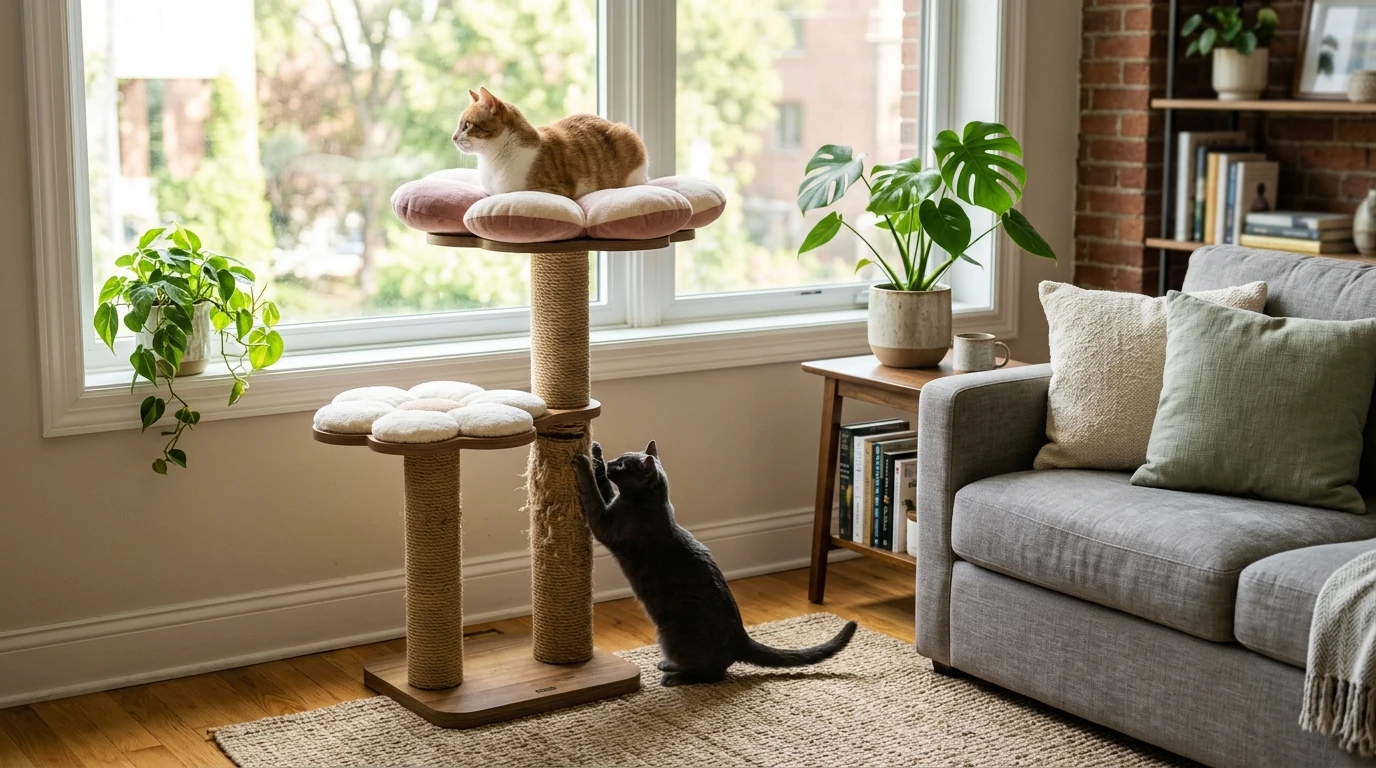
Flower Cat Tree with Sisal Scratching Posts & Flower Perch: A Cute, Functional Upgrade for Everyday Cat Life
A flower-themed cat tree brings a softer, décor-friendly look to a space while still covering the essentials cats crave: climbing, perching up high, and scratching. When the design includes sisal scratching posts and a stable flower perch, it supports healthy daily behaviors like full-body stretching, claw maintenance, and calm “sit-and-watch” lounging. Below is a practical guide to choosing the right style, placing it where your cat will actually use it, and keeping it sturdy over time—especially in smaller homes or apartments.
What makes a flower-style cat tree different
- Decor-forward design: Flower shapes and softer lines can blend into bedrooms, living rooms, or small apartments without the bulky, industrial look some cat towers have.
- Flower perch = a defined “home base”: Many cats love a predictable resting spot. A flower perch encourages classic “sit-and-watch” behavior—especially when placed near people or a window.
- Compact vertical enrichment: A slim footprint can still provide climbing and elevation, which helps indoor cats feel more engaged without sacrificing floor space.
- Moderate height, approachable access: This style often works well for kittens learning to climb and for adult cats that prefer a manageable jump rather than a multi-story tower.
Sisal scratching posts: why material and placement matter
Scratching is normal and necessary for cats. The goal is to make the “right” scratching surface more appealing than furniture. Sisal is a common favorite because the texture feels grippy and satisfying under the claws, helping remove loose claw sheaths and reducing snagging.
| Material | Feel for cats | Durability | Typical best use |
|---|---|---|---|
| Sisal rope | Rough, fibrous grip | High | Vertical posts for daily stretching scratches |
| Cardboard | Soft, shreddable | Medium | Horizontal scratch pads and “digging” scratchers |
| Carpet | Soft, familiar texture | Medium–Low | Cats that prefer softer scratching; can encourage carpet scratching in some homes |
| Seagrass/jute blends | Textured, slightly softer than sisal | Medium | Alternative texture for picky scratchers |
Flower perch comfort and stability
Where this cat tree fits best at home
- Near a window: Window placement adds natural enrichment (birds, neighborhood activity, sunbeams). International Cat Care highlights the value of an enriched environment for indoor cats: https://icatcare.org/advice/category/behaviour-and-training/.
- Close to social zones: Many cats prefer being near their people, so a living room corner often beats a quiet back room.
- Away from fragile décor: Give jump paths enough clearance to prevent knocks and to help cats feel confident when leaping on and off.
- On a level, non-slip surface: If you have slick floors, a simple furniture mat under the base can reduce sliding and improve confidence.
Setup tips that increase daily use
- Make the first experience rewarding: Place treats or a pinch of catnip on the flower perch and near the base of the sisal posts.
- Teach the “right” scratch spot: When your cat scratches sisal, reward immediately. If they scratch furniture, calmly redirect to the post (punishment usually increases stress and can reduce trust).
- Refresh the routine: Rotate toys nearby or add a small dangling toy if the tree includes an attachment point.
- Plan for multi-cat traffic: Place the tree where cats can see the room and keep an “escape route” open so no cat feels trapped on the perch. For behavior-focused guidance, the AAFP feline behavior guidelines are a solid reference: https://catvets.com/guidelines/practice-guidelines/feline-behavior-guidelines.
Care and maintenance
- Vacuum regularly: Frequent quick vacuuming reduces hair buildup and dander on fabric surfaces.
- Trim loose sisal fibers: Snip frays instead of pulling them to help prevent unraveling.
- Tighten hardware on a schedule: Check after assembly, again after the first week, then about monthly—especially if your cat launches onto the perch with enthusiasm.
- Spot-clean thoughtfully: Use a pet-safe cleaner and let surfaces fully dry to avoid lingering odors that may deter use. For general cat care basics, the ASPCA is a helpful resource: https://www.aspca.org/pet-care/cat-care.
Featured option: Flower Cat Tree with Sisal Scratching Posts & Flower Perch
If you want a cat tower that looks playful while still meeting daily needs, the Flower Cat Tree with Sisal Scratching Posts & Flower Perch offers a dedicated lounging spot plus scratch-ready sisal posts for regular stretching and claw care. It’s a practical choice for adding vertical enrichment in smaller spaces without taking over the room.
| Item | Price | Availability |
|---|---|---|
| Flower Cat Tree with Sisal Scratching Posts & Flower Perch | $45.97 | In stock |
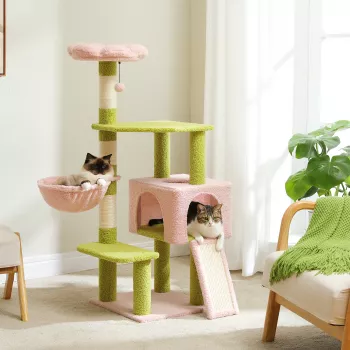
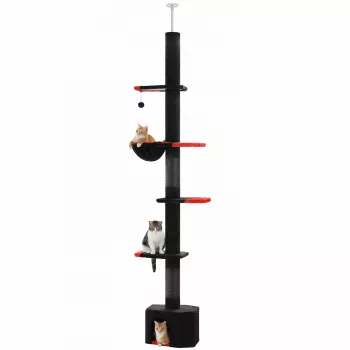
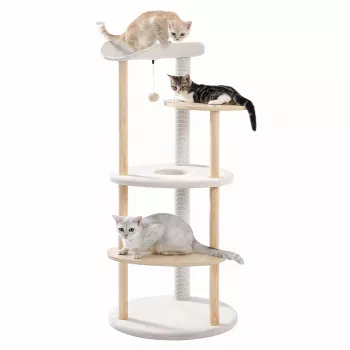
More in-stock picks to browse
FAQ
Will cats actually use a flower perch?
Most cats use perches when the tree is placed near a social area or window and feels stable underfoot. Speed up adoption with treats or catnip at the perch and make it the most appealing “highest safe spot” in that part of the room.
How do sisal scratching posts help protect furniture?
Sisal offers an attractive scratching texture and supports a satisfying full-body stretch, which makes it easier to build a consistent habit. Place the post near your cat’s usual scratching targets and reward use so the tree becomes the default scratch choice.
How often should a cat tree be tightened or checked for wobble?
Check hardware right after assembly, again after the first week, and then monthly. Tighten immediately if you notice movement during scratching or when your cat jumps onto the perch.









Leave a comment