Manual Pasta Maker Set: Roll & Cut Fresh Noodles at Home
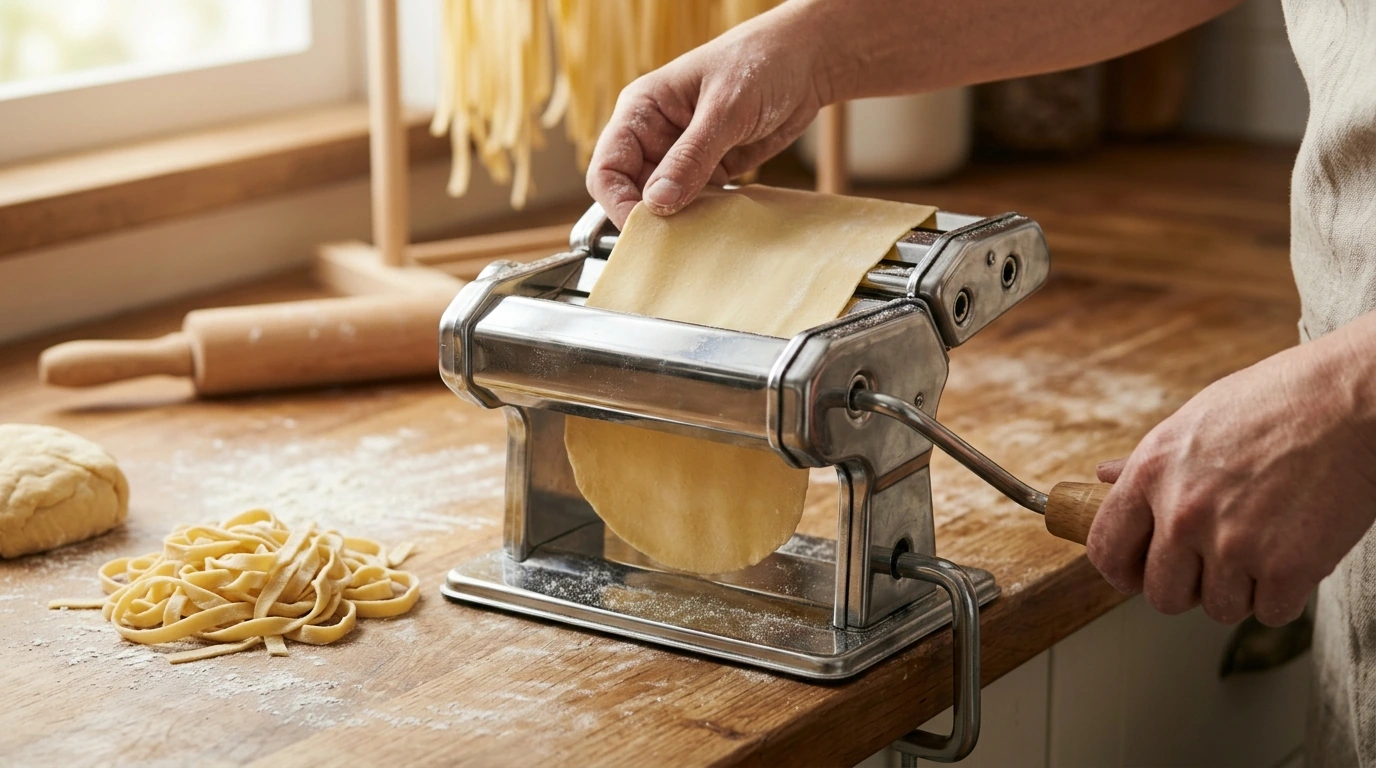
Manual Pasta Maker Machine Set: Fresh Noodles at Home With Simple, Hands-On Control
A manual pasta maker machine set makes it possible to roll and cut fresh pasta with consistent thickness—without relying on motors or complicated controls. With a steady hand on the crank, you can create smooth sheets for lasagna, ribbons for fettuccine, or thin strands for spaghetti-style noodles while staying closely connected to the feel of the dough. Pasta has been a staple food in many cultures for centuries, and making it at home brings that tradition to your own kitchen routine (learn more background from Encyclopaedia Britannica). For more guidance, see Manual Noodle Maker – food-machines.org.
What a Manual Pasta Maker Set Typically Includes
Most manual sets focus on the same core idea: a roller to flatten dough and a cutter to turn sheets into noodles. The exact accessory mix varies, but these are the items you’ll see most often. For further reading, see Cookbook:Pasta Maker.
- Hand-crank roller unit for flattening dough into sheets, usually with adjustable thickness settings
- Cutting attachments or integrated cutters for common shapes such as fettuccine and spaghetti-style strands
- Clamp or base support to secure the machine to a countertop for stability while cranking
- Handle/crank and basic care guidance for cleaning and storage
- Optional accessories in some sets: drying rack, cleaning brush, extra cutter heads, or ravioli tools
Common Parts and What They Do
| Part | Purpose | Practical tip |
|---|---|---|
| Adjustable rollers | Turns dough into evenly thick sheets | Start on the widest setting and step down gradually to prevent tearing. |
| Hand crank | Provides controlled rolling power | Crank at a steady pace; rushing can stretch or wrinkle the sheet. |
| Cutter (fettuccine/spaghetti) | Cuts sheets into noodles | Lightly flour the sheet before cutting to reduce sticking. |
| Counter clamp/base | Stabilizes the machine during use | Clamp to a solid edge and avoid wobbly folding tables. |
| Cleaning brush (if included) | Sweeps out dried flour and bits | Let dough scraps dry, then brush—avoid washing the rollers with water. |
Why Choose a Manual Pasta Maker Instead of a Motorized One
Manual pasta machines stay popular because they’re direct, predictable, and easy to live with—especially if fresh pasta is an occasional treat rather than a weekly production run.
- More control over speed and pressure, helpful for delicate doughs and small batches
- Often smaller and easier to store than electric models
- No power requirement; works during outages and in compact kitchens
- Typically easier to maintain because there is no motor housing
- Hands-on process encourages consistency: feeling the dough helps adjust hydration and flouring
Getting Great Results: Dough Basics That Matter Most
The machine can only do so much—your dough texture determines whether sheets glide through cleanly or fight back with sticking, tearing, or rough edges. A few fundamentals make the biggest difference.
- Hydration balance: Dough should feel firm and smooth, not sticky. If it clings to your fingers, dust lightly with flour; if it crumbles, add moisture in tiny amounts.
- Resting time: A rest (often 20–40 minutes) relaxes gluten so the dough rolls thinner with less spring-back.
- Portioning: Divide dough into smaller pieces to keep sheets manageable and prevent tearing as they lengthen.
- Flouring strategy: Lightly flour dough and sheets; excessive flour can cause cracking and a rough, dusty texture.
- Thickness planning: Thinner settings suit delicate noodles and lasagna sheets; slightly thicker settings suit hearty ribbons that hold chunky sauces.
Step-by-Step: Rolling and Cutting Pasta Without Frustration
A calm, repeatable workflow is the secret to consistent noodles. Set up your space so you can guide the sheet with one hand while turning the crank with the other.
Care, Cleaning, and Storage for Long-Lasting Performance
If you’re working with egg-based dough, keep general kitchen hygiene front and center and follow up-to-date food-safety guidance from authoritative sources like the USDA and the FDA.
Who This Set Fits Best (and When to Choose Something Else)
Product Options Available
- Manual Pasta Maker Machine Set — a practical choice for rolling sheets and cutting noodles at home. Best first projects include simple egg dough or semolina dough, then expanding into flavored sheets and stuffed pasta.
- 18K Gold Custom Alphabet Initial Necklace — a personalized gift option if you’re pairing a kitchen upgrade with something special.
- Square Moissanite Diamond Stud Earrings — a classic accessory pick for gifting.
FAQ
How thin should pasta dough be rolled before cutting?
Roll to a smooth, even sheet that holds together without tearing. A medium-thin setting typically works well for fettuccine, while thinner settings are better for delicate noodles and lasagna sheets—step down gradually so the dough doesn’t rip or wrinkle.
Why does pasta stick in the cutter, and how can it be prevented?
Sticking usually comes from dough that’s too wet, not enough flour dusting, or sheets sitting too long before cutting. Rest the dough, lightly flour the sheet, keep the cutter clean and dry, and cut soon after rolling.
Is it safe to use egg-based dough, and how should it be handled?
Yes, when handled with basic food-safety habits: use clean tools and surfaces, avoid cross-contamination, refrigerate dough if you’re holding it, and cook pasta promptly and thoroughly.










Leave a comment