Multi-Level Cat Trees: Comfort, Stability, Scratch & Play
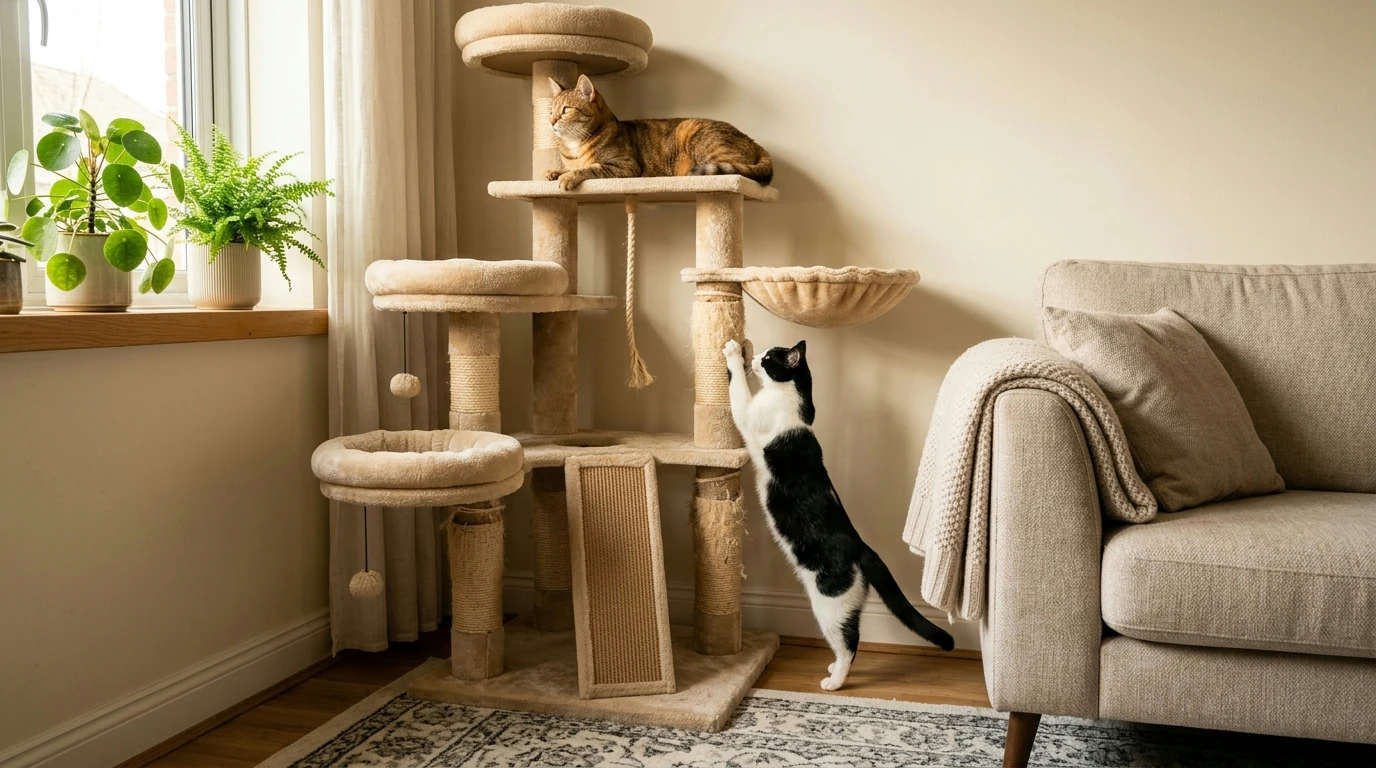
Multi-Level Cat Trees: A Smarter Way to Climb, Scratch, Lounge, and Play
A good cat tree gives cats a dedicated place to climb, scratch, nap, and play—helping reduce boredom while keeping attention off sofas, rugs, and door frames. In a multi-level setup, cats can follow natural instincts (perching high, scanning the room, stretching, and pouncing) without needing extra clutter around the home. Below is a practical guide to what matters most: comfort on the perches, stability in the frame, and scratch-and-play features that fit everyday routines.
What a multi-level cat tree adds to daily life
Multi-level structures do more than “look tall.” They create usable vertical territory that many indoor cats crave.
- Vertical space for observing: Elevated levels let cats perch and watch the room, supporting natural scanning behavior.
- Multiple rest zones: More than one platform makes it easy to rotate between higher/lower levels and warmer/cooler spots across the day.
- A defined scratching target: When scratch areas are built in, it’s easier to redirect scratching away from carpets and furniture.
- Short play breaks: Built-in toys and climb paths encourage quick bursts of activity between naps.
- Lower tension in multi-cat homes: More perches can mean fewer disputes over a single “best seat.”
Comfort features: cozy perches, lounging zones, and nap-friendly design
Cats may ignore a tree that feels awkward to climb or too exposed to relax on. Comfort is a mix of perch shape, spacing, and surface feel.
- Perch shapes with boundaries: Many cats settle faster when they can lean into a raised edge or curved rim.
- Reasonable platform spacing: Step-up distances should feel natural—especially for kittens, seniors, or heavier cats that prefer steady transitions.
- Soft where they sleep, rough where they scratch: Plush or padded surfaces work best on primary resting levels; scratch textures should be limited to dedicated zones.
- Placement that offers options: If your home gets drafts or intense sun, position the tree so it provides both a sunny lounge and a shaded fallback.
Quick comfort checklist for perches
| Feature | Why it matters | What to look for |
|---|---|---|
| Cozy perch edges | Encourages longer naps and a secure feel | Raised rim or curved perimeter |
| Platform size | Prevents dangling limbs and cramped posture | Enough room to curl and stretch |
| Level spacing | Easier climbing and safer transitions | Step-up distances that suit your cat’s mobility |
| Surface texture | Comfort vs. scratching needs | Soft on sleeping areas; scratch material on dedicated panels |
Stability and safety: the climbing frame that stays put
Even a great layout won’t get used if it wobbles. Cats learn quickly: unstable furniture equals “not worth the risk,” especially for upper levels.
- Start with the base: A stable base reduces sway and helps cats trust the structure enough to climb higher.
- Match footprint to height: Taller trees generally benefit from wider bases and smart placement near a wall for extra confidence.
- Re-check hardware: Tighten fasteners after assembly and revisit them periodically; regular climbing can loosen fittings over time.
- Use a non-slip foundation: On hard floors, a non-slip mat can reduce sliding during “launch and land” moments.
- Give it breathing room: Keep clearance from fragile shelves and avoid blocking busy walkways so sprinting cats don’t collide with it.
Scratching support: scratch board benefits and placement tips
Scratching is normal and necessary—it supports claw care, stretches the back and shoulders, and marks territory. The most effective redirection happens when the approved scratch surface is easy to reach and located where cats already spend time.
For more background on why cats scratch and how to work with the behavior, see International Cat Care’s guide to scratching behavior.
Play and enrichment: toys that keep interest without clutter
The Humane Society of the United States has additional enrichment ideas that complement a climbing-and-perching setup.
Where to set it up: making the tree the favorite spot
For more general behavior and training guidance, the ASPCA cat care resources are a useful reference.
Care, cleaning, and keeping it sturdy over time
Product spotlight: Multi-Level Cat Tree with Cozy Perches, Stable Climbing Frame, Scratch Board & Toys
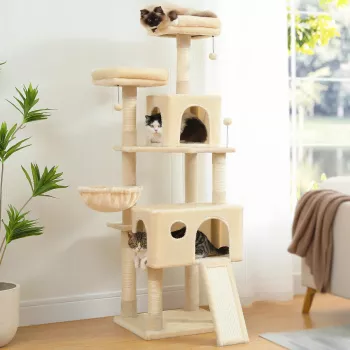
If the goal is one station that covers climbing, resting, scratching, and quick play breaks, the Multi-Level Cat Tree with Cozy Perches, Stable Climbing Frame, Scratch Board & Toys is designed to bring those essentials together in a vertical layout. It’s a practical option for cats that like to alternate between elevated lounging and short activity bursts—while also providing a dedicated scratch surface that can help redirect scratching habits.
At-a-glance details
| Item | Details |
|---|---|
| Name | Multi-Level Cat Tree with Cozy Perches, Stable Climbing Frame, Scratch Board & Toys |
| Price | $80.67 USD |
| Availability | In stock |
More in-store picks
- How to Learn and Grow from Mistakes – Digital Guide | Mindset, Self-Growth & Resilience eBook
- Square Moissanite Diamond Stud Earrings
- 18K Gold Custom Alphabet Initial Necklace
FAQ
How can a cat be encouraged to use a new cat tree?
Place it in a room your cat already uses, then guide exploration with treats or a wand toy. Rubbing a small amount of catnip on the scratch area can help (if your cat responds), and it’s best to let your cat choose when to climb higher rather than placing them on upper levels.
Is a multi-level cat tree suitable for kittens or older cats?
Yes, as long as the step heights are manageable and the structure is stable. For seniors, focus on easy-access lower and mid levels and consider adding a small step or stool nearby while they build confidence.
How often should a cat tree be tightened and checked for safety?
Check hardware right after assembly, again after the first week, and then about once a month. Also inspect scratch surfaces and hanging toys for fraying or loosened parts and remove anything damaged.









Leave a comment