Pet Spot Cleaner for Stairs, Couches & Car Seats
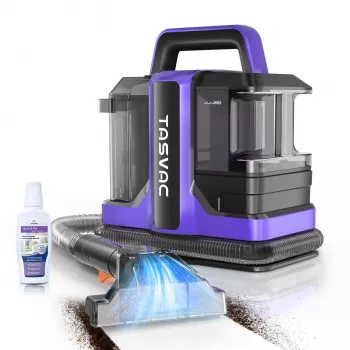
Portable Carpet & Upholstery Cleaner for Pets, Stairs, Couches & Car Seats
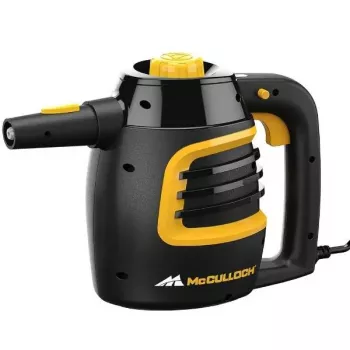
Pet accidents, muddy paw prints, and snack spills tend to show up in the hardest places to clean—stairs, couch cushions, and car seats. A compact upholstery and carpet cleaner is designed to tackle those spot messes quickly, lift embedded grime from fabric fibers, and help reduce lingering odors without dragging out a full-size machine. With the right technique (and the right solution), you can remove the mess, pull out the dirty water, and get fabrics drying faster—so the “spot” doesn’t become a permanent reminder.
What a portable cleaner is built to handle
Portable carpet and upholstery cleaners are made for targeted extraction: you spray cleaning solution onto the fabric, lightly work it in, then vacuum up the loosened soil and moisture. That makes them especially useful for small-but-frequent messes where hauling out a big unit feels like overkill.
- Spot-cleaning on carpets and rugs: fresh stains, tracked-in dirt, and high-traffic areas
- Upholstery on couches and chairs: cushion seams, armrests, and pet-favorite spots
- Stairs: narrow treads and corners where larger tools can’t reach easily
- Car interiors: cloth seats, floor mats, and trunk liners
- Common pet messes: urine, vomit, drool, and dander buildup (with the right cleaning solution)
For organic messes (like urine or vomit), quick response matters. The longer moisture sits in padding or foam, the harder odors can be to fully remove, and the more important thorough drying becomes. If you’re concerned about moisture lingering, the EPA’s guidance on moisture and mold is a helpful reference for why drying and ventilation matter after any wet cleaning (EPA: Mold, Moisture and Your Home).
Key features that matter for stairs, couches, and car seats
Not all portable cleaners feel the same in real life. The details below tend to matter most when you’re cleaning tight spaces, upholstery seams, and stair corners.
- Strong spray + suction pairing: helps loosen debris, then pull out dirty water before it re-soaks into fabric
- Tool design for tight areas: a compact head and edge-cleaning reach for corners, seams, and stair risers
- Tank layout: separate clean/dirty tanks help avoid reapplying contaminated water onto fabric
- Cord and hose reach: enough range to clean a stair run or a full back seat without constant repositioning
- Weight and carry handle: important for stair use and moving between rooms or out to the car
- Easy rinse-out: removable parts and accessible tanks reduce odor buildup between uses
Quick checklist for a pet-focused portable cleaner
| Feature | Why it helps | What to look for |
|---|---|---|
| Targeted upholstery tool | Reaches seams and small panels | Narrow head, firm bristles or agitation surface |
| Separate tanks | Cleaner water stays clean | Distinct fill and recovery tanks; easy-to-read fill lines |
| Hose reach | Less lifting on stairs and in cars | Enough length to set the unit on a landing or floor while cleaning |
| Strong recovery suction | Faster drying, less odor | Good pull on damp fabric; efficient dirty-water pickup |
| Easy maintenance | Prevents mildew smells | Wide tank openings; parts that rinse quickly |
How to use a portable cleaner on pet stains without spreading them
Portable extraction works best when you treat the stain like a “controlled zone.” The goal is to lift and remove—without over-wetting or pushing the mess deeper.
- Blot first: press with clean towels to remove as much liquid as possible; avoid rubbing.
- Pre-treat set-in spots: apply an enzyme cleaner when dealing with urine or organic stains; follow label directions.
- Test in an inconspicuous area: check for colorfastness on upholstery and car fabrics.
- Use controlled spray: lightly mist rather than saturate; over-wetting can push stains deeper and slow drying.
- Agitate gently: use the tool to work solution into fibers, focusing on edges of the stain to prevent rings.
- Recover thoroughly: make multiple suction-only passes to pull out as much moisture as possible.
- Speed drying: increase airflow with fans, open windows, or run the car’s ventilation when cleaning seats.
If you’re cleaning carpets or rugs, general best practices like pre-vacuuming and avoiding excessive water are also consistent with industry guidance (Carpet and Rug Institute: Carpet Cleaning Basics).
Stairs vs. couches vs. car seats: small adjustments that improve results
One cleaner can handle all three areas, but small workflow tweaks usually improve both cleaning and drying.
Stairs
Couches and chairs
Car seats and interiors
For recurring pet odor spots
Care and maintenance for consistent suction and fresher tanks
When moisture is involved, drying the equipment (and the cleaned surface) is a practical step for freshness and hygiene. For broader cleanup situations, the CDC also emphasizes drying and cleaning to reduce mold risk (CDC: Mold Cleanup).
Portable Carpet & Upholstery Cleaner option
Product picks (in stock)
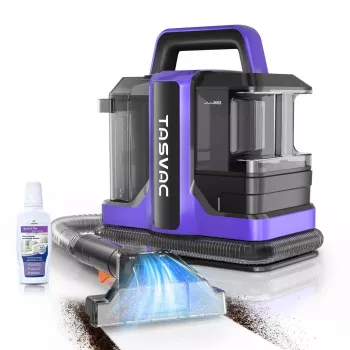
- Portable Carpet & Upholstery Cleaner for Pets, Stairs, Couches & Car Seats
- How to Learn and Grow from Mistakes – Digital Guide
Product at a glance
| Product | Price | Availability |
|---|---|---|
| Portable Carpet & Upholstery Cleaner for Pets, Stairs, Couches & Car Seats | 71.01 USD | In stock |
FAQ
Can a portable carpet and upholstery cleaner remove pet urine smell?
Often yes when paired with an enzyme-based cleaner, adequate dwell time, and multiple suction-only passes. Complete drying is critical—if moisture stays in padding or foam, odor can linger.
Is it safe to use on couch cushions and car seats?
It’s typically safe for many fabric upholsteries when you test colorfastness first and avoid over-wetting. Follow upholstery tag codes when available and use a cleaner and solution that match the material.
How long does it take upholstery to dry after spot cleaning?
Dry time depends on how much liquid was applied, how thick the fabric is, and airflow in the room or vehicle. Thorough extraction plus fans or ventilation usually shortens drying time significantly.






Leave a comment